
Research Note Vol. 26-B2 · Behavioral Studies
The gambler’s fallacy is the quiet conviction that a run of one outcome makes the opposite outcome overdue, and at the baccarat table it costs more players more money than almost any other single error of thought.
Watch any baccarat pit for an hour and the pattern is unmistakable. A scorecard shows banker winning six coups in a row, and a cluster of bettors swings their stakes onto player, certain the streak must break. This instinct feels like reasoning. It is in fact a textbook cognitive bias, and recognising it is one of the most valuable defences a gambler can develop.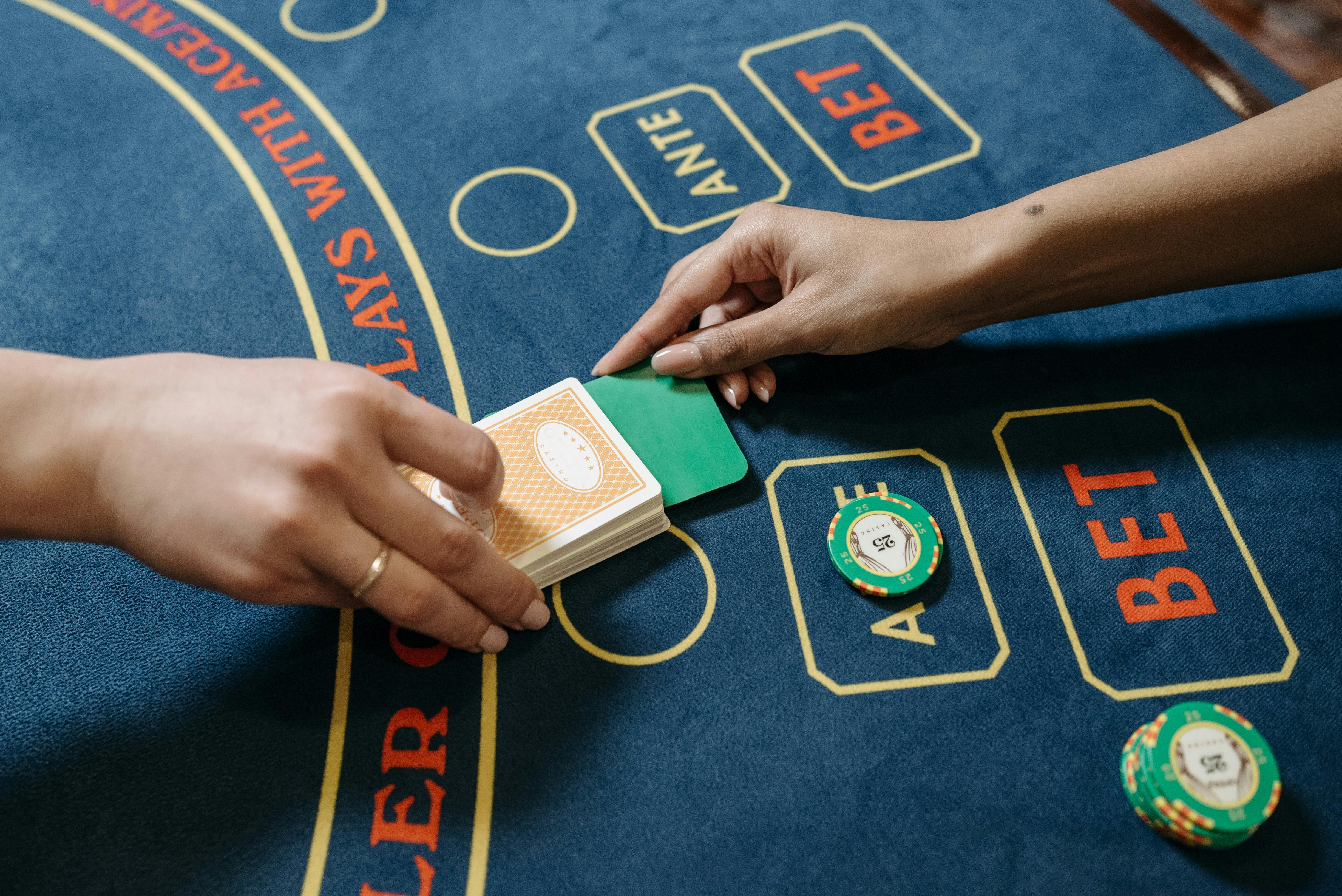
Defining the fallacy
The gambler’s fallacy is the mistaken belief that independent events are somehow connected, so that past results change the probability of future ones. The authoritative psychological reference defines the effect precisely, and the American Psychological Association dictionary entry on the gambler’s fallacy describes it as the erroneous expectation that a deviation in one direction will be balanced by a deviation in the other. In baccarat the coups are very nearly independent. A banker win does not load the shoe against banker on the next hand. The probability of each outcome is governed by the cards remaining, which shift only slightly as a shoe depletes, not by the visible history of wins printed on a scorecard.Why the mind manufactures patterns
Human cognition evolved to detect patterns, and that machinery does not switch off at the casino door. Faced with a random sequence, the brain insists on finding structure, and a streak of identical results creates a powerful sense that the system is out of balance and must correct. This is the engine that drives roulette players to chase red after a run of black and slot players to feed a machine that is supposedly due.The Monte Carlo episode
The most cited illustration occurred at a roulette wheel where black came up many times in succession. Gamblers piled onto red, reasoning that it had to appear, and lost enormous sums as black continued. Each spin was independent, and the wheel had no memory of the previous results. The story gave the fallacy its alternate name and remains the clearest warning of how expensive the bias can be.The research on persistence
The fallacy is not a quirk of the uninformed. Controlled studies show it persists even among people who understand probability in the abstract, and a peer-reviewed analysis available through the PubMed Central study on sequential decision biases documents how the expectation of reversal shapes betting behaviour across repeated trials.How the fallacy drains a bankroll
The danger is not the belief itself but the staking behaviour it produces. A gambler convinced that player is overdue will raise the bet on player, often using a progression that doubles after each loss. Because the underlying probability never shifts, the streak can continue far longer than intuition allows, and the escalating stakes exhaust the bankroll well before the imagined correction arrives. The same trap operates on slot bonus rounds and roulette colours with identical results.The inverse error
A related mistake runs the opposite direction. Some players see a banker streak and bet banker, convinced the table is hot. This is the hot-hand version of the same confusion, treating an independent sequence as if it carried momentum. Both errors share a single root, the refusal to accept that each coup begins fresh.Playing without the fallacy
The disciplined response is to accept that no scorecard, grid or streak carries predictive value, and to size every bet as if the history did not exist, because mathematically it does not. This connects directly to the broader behavioural research on how framing and prior outcomes distort risk perception, a theme our study of loss aversion in high-variance decision making develops in depth. A player who internalises the independence of events will not chase, will not escalate, and will treat baccarat as the fixed-edge entertainment it is.Key takeawayThe gambler’s fallacy convinces players that a streak makes the opposite outcome overdue, but baccarat coups are independent and carry no memory. The real harm comes from the escalating bets the belief encourages. Treating every hand as a fresh event, and sizing wagers accordingly, is the single most effective behavioural safeguard at the table.
Sources consulted: American Psychological Association dictionary, gambler’s fallacy; PubMed Central, study on sequential decision biases. Published for educational analysis of cognitive bias in gambling behaviour.