Baccarat Overconfidence Bias: 바카라 과신 편향이 베팅 판단을 흔드는 방식
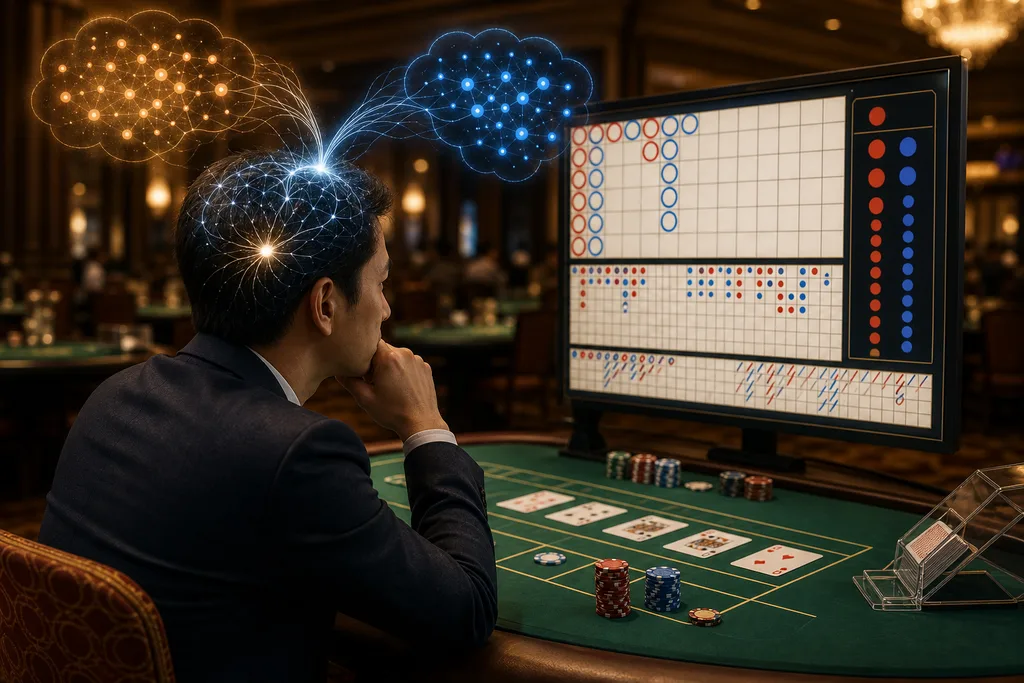
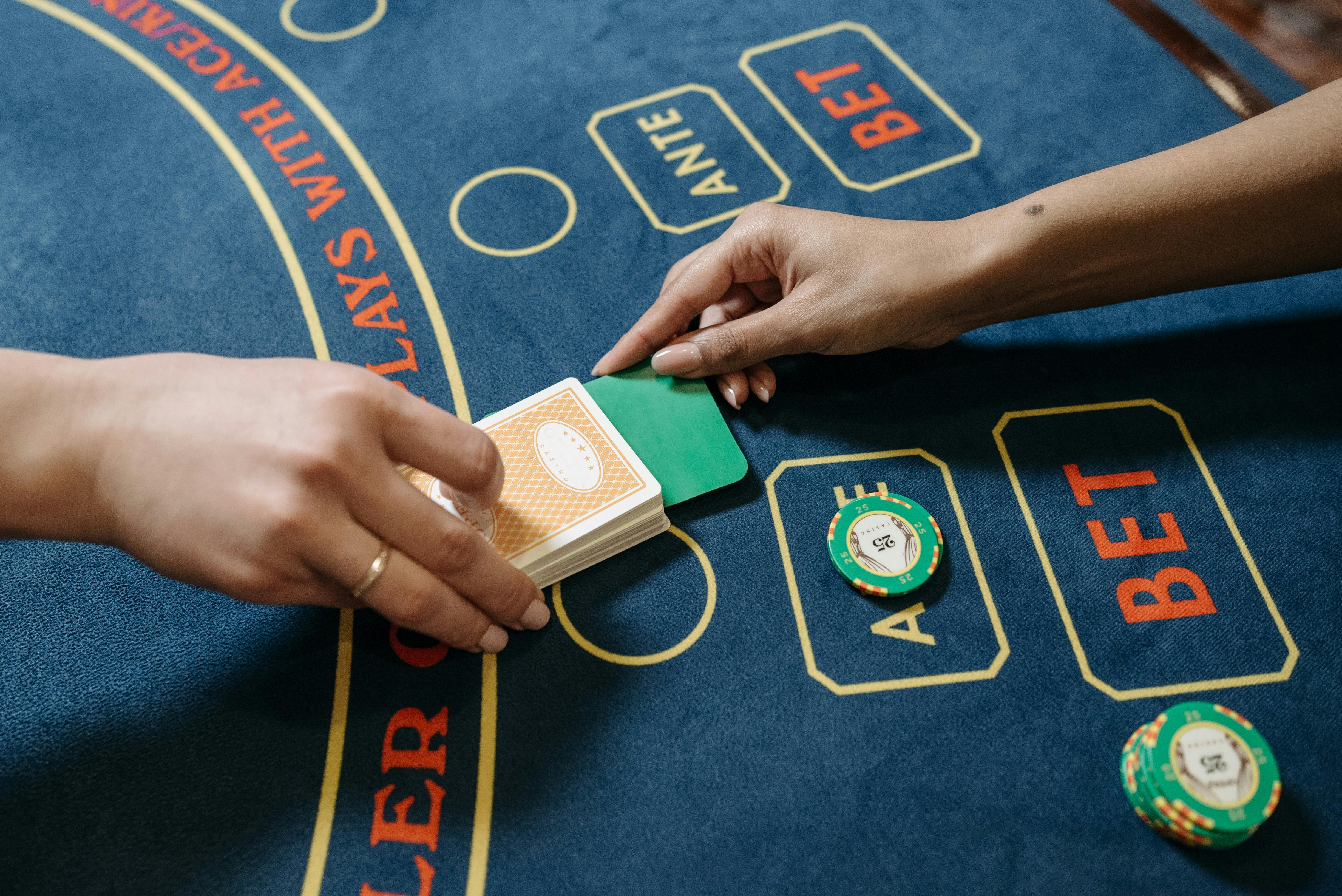
바카라에서 3번 연속 맞힌 뒤, 다음 베팅이 유난히 쉬워 보인 적이 있는가? 방금 전까지의 선택이 맞았다는 사실은 기분 좋은 경험이지만, 그 감각이 “나는 이 테이블을 읽고 있다”는 확신으로 바뀌는 순간 판단은 흔들릴 수 있다. Baccarat Overconfidence Bias는 플레이어가 자신의 예측 능력, 패턴 해석 능력, 판단 정확도를 실제보다 높게 평가하는 경향을 뜻한다.
이 글은 바카라에서 과신이 왜 자연스럽게 생기는지, illusion of control, confirmation bias, gambler’s fallacy, loss chasing과 어떻게 연결되는지, 그리고 베팅 금액을 키우기 전 어떤 점검이 필요한지를 행동경제학과 도박심리 관점에서 설명한다. 목적은 “더 잘 맞히는 법”이 아니라 위험한 판단 왜곡을 줄이는 것이다.

What Is Baccarat Overconfidence Bias?
과신 편향은 자신의 능력과 판단을 실제보다 낫다고 평가하는 일반적인 인지 경향이다. 심리학에서는 overconfidence를 판단의 정확성에 대한 지나친 확신으로 설명하며, 도박 상황에서는 이 확신이 확률보다 감정과 기억에 더 강하게 기대게 만든다.
바카라 맥락에서는 “다음 coup를 읽을 수 있다”, “banker 흐름을 잡았다”, “이 shoe는 player가 돌아올 차례다” 같은 느낌으로 나타난다. 문제는 이런 말이 늘 비합리적이라서가 아니다. 몇 번의 결과가 실제로 맞아떨어지면 뇌는 그것을 우연보다 능력에 가깝게 해석하기 쉽다.
하지만 바카라의 각 결과는 제한된 규칙 안에서 발생하는 확률 사건이다. 플레이어가 과거 결과를 관찰할 수는 있어도, 그 관찰이 다음 hand를 통제한다는 뜻은 아니다. 과신은 바로 이 경계가 흐려질 때 생긴다.
왜 바카라에서는 과신이 합리적으로 느껴질까?
짧은 연승은 실력처럼 느껴진다
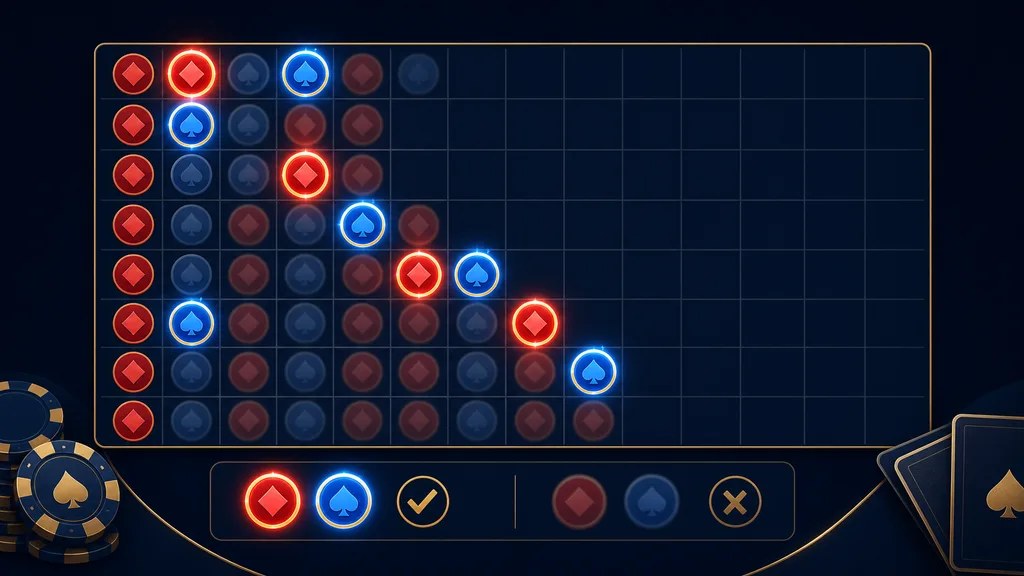
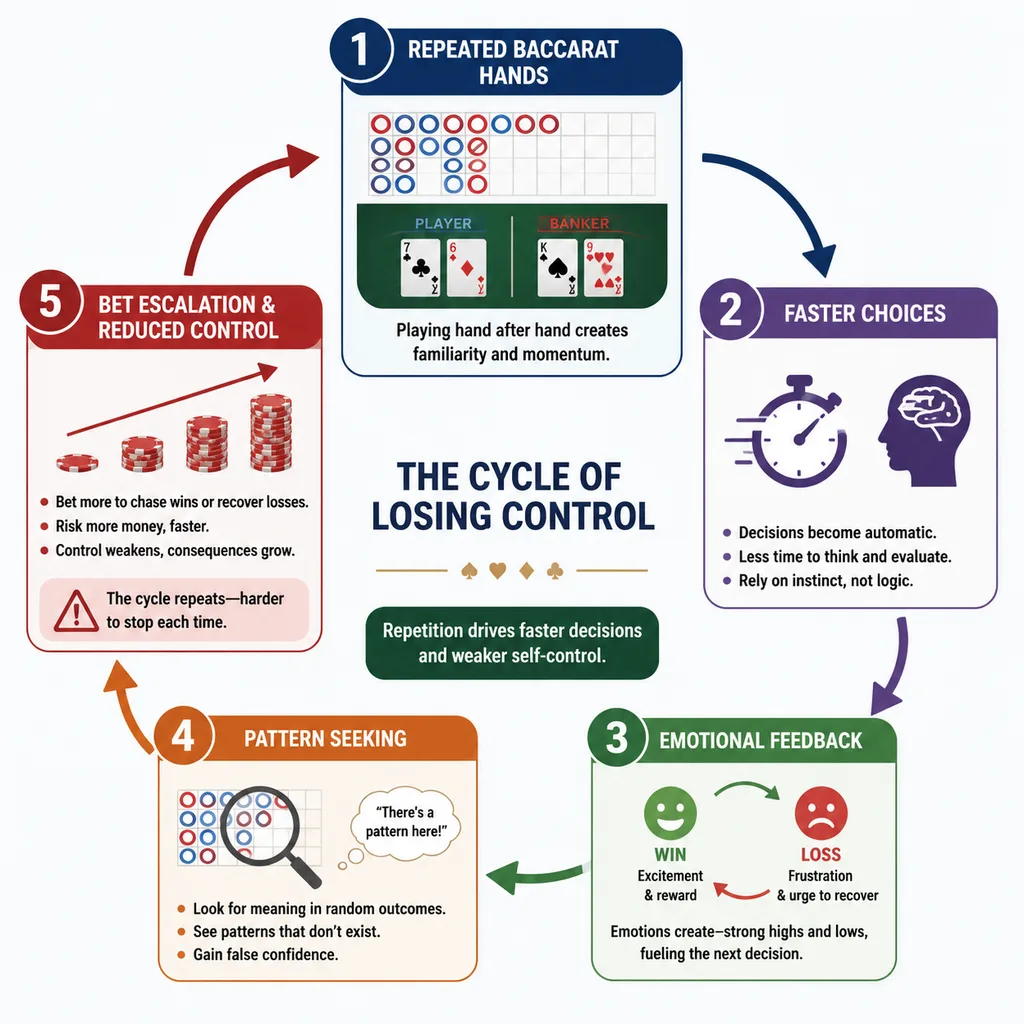
바카라는 규칙이 단순하고 결과가 빠르게 반복된다. banker와 player 중 하나를 고르고, 결과가 나오고, 다시 선택한다. 이 속도는 짧은 시간 안에 여러 번의 성공 경험을 만들 수 있다. 4번 중 3번을 맞히면 “오늘 감이 좋다”는 생각이 자연스럽게 든다.
그러나 단기 성과는 분산의 영향을 크게 받는다. 짧은 구간에서는 운이 실력처럼 보이고, 실수도 단순한 예외처럼 보인다. 과신은 대개 장기 기록이 아니라 최근 기억에서 출발한다.
스코어보드는 패턴 확신을 강화한다
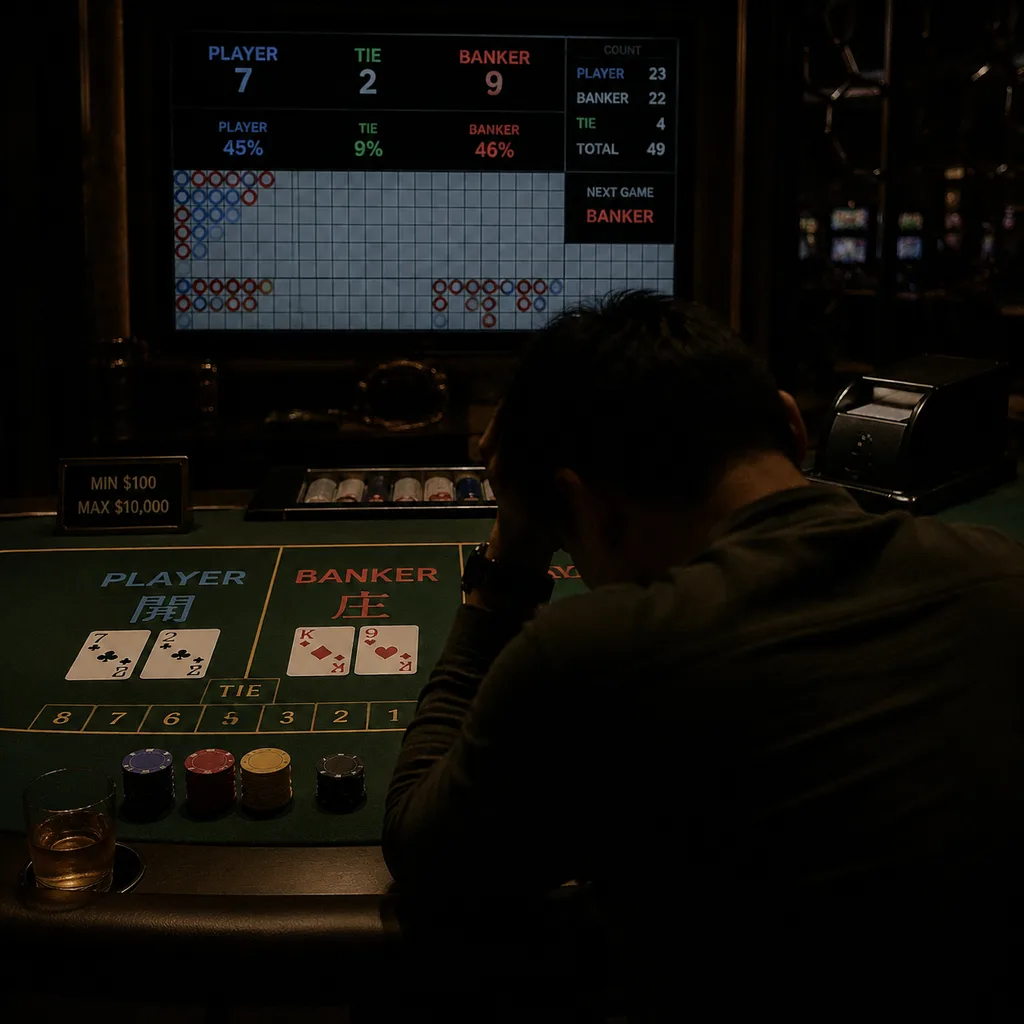
바카라 로드맵과 스코어보드는 과거 결과를 시각적으로 보여준다. 줄, 반복, 끊김, 긴 streak는 마치 설명 가능한 구조처럼 보인다. 인간의 뇌는 무작위적 정보에서도 패턴을 찾도록 설계되어 있기 때문에, 이러한 시각 자료는 확신을 키우기 쉽다.
스코어보드가 아무 가치도 없다는 뜻은 아니다. 그것은 과거 결과를 정리해 보여주는 도구다. 다만 과거 결과가 미래 결과를 직접 보장한다고 해석하는 순간 문제가 된다. 장기 확률과 단기 관찰의 차이는 Bayesian convergence in baccarat 같은 관점에서 더 차분하게 이해할 수 있다.
낮은 하우스 엣지는 예측 가능성을 뜻하지 않는다
바카라는 카지노 게임 중 핵심 베팅의 하우스 엣지가 비교적 낮은 편으로 알려져 있다. Wizard of Odds의 8-deck baccarat return table 기준으로 banker bet의 house edge는 약 1.06%, player bet은 약 1.24%, tie bet은 약 14.36%로 제시된다. 자세한 수치는 Wizard of Odds baccarat basics에서 확인할 수 있다.
중요한 점은 낮은 house edge가 “플레이어가 다음 결과를 예측할 수 있다”는 뜻이 아니라는 것이다. 그것은 장기적으로 불리한 정도가 상대적으로 작다는 의미에 가깝다. banker만 고르면 안전하다는 뜻도 아니다. banker 역시 하우스 엣지가 있으며, 장기 구조는 여전히 플레이어에게 불리하다.

과신한 바카라 판단 뒤에 있는 심리
Illusion of Control
Illusion of control은 무작위적이거나 확률적인 환경에서 자신이 결과에 영향을 준다고 느끼는 경향이다. 바카라에서는 딜러, 테이블 분위기, 카드가 나오는 리듬, shoe의 흐름, 다른 플레이어의 선택이 통제 단서처럼 해석될 수 있다.
물론 관찰 자체가 문제는 아니다. 위험은 관찰이 통제감으로 바뀔 때 생긴다. “내가 기다렸기 때문에 맞았다”, “방금 끊었기 때문에 다음도 읽을 수 있다”는 식의 해석은 실제 확률보다 자기 역할을 크게 만든다.
Confirmation Bias
Confirmation bias는 자신이 믿고 싶은 정보는 크게 기억하고, 반대되는 정보는 작게 처리하는 경향이다. 바카라 플레이어는 맞힌 예측은 “내 reading이 통했다”고 기억하지만, 틀린 예측은 “그때만 예외였다”, “한 번 더 보면 맞았을 것”이라고 정리할 수 있다.
이렇게 되면 기록이 있어도 객관적 검토가 어렵다. 실제로는 맞고 틀린 결과가 섞여 있었지만, 기억 속에서는 성공 장면만 선명해져 자신의 바카라 감각을 과대평가하게 된다.
Gambler’s Fallacy와 Hot-Hand Thinking
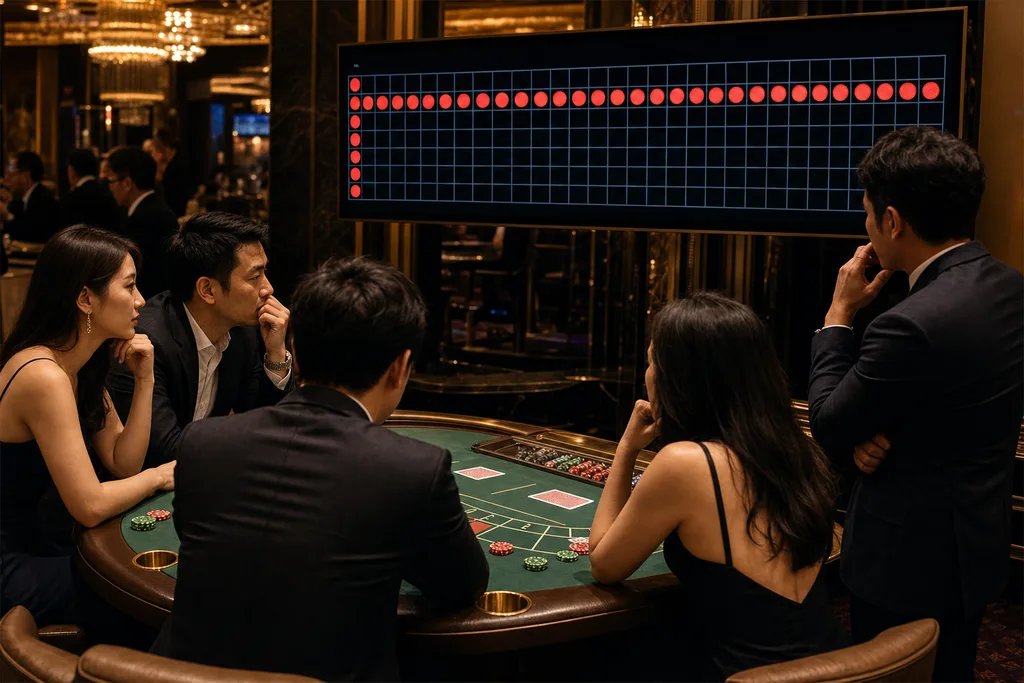
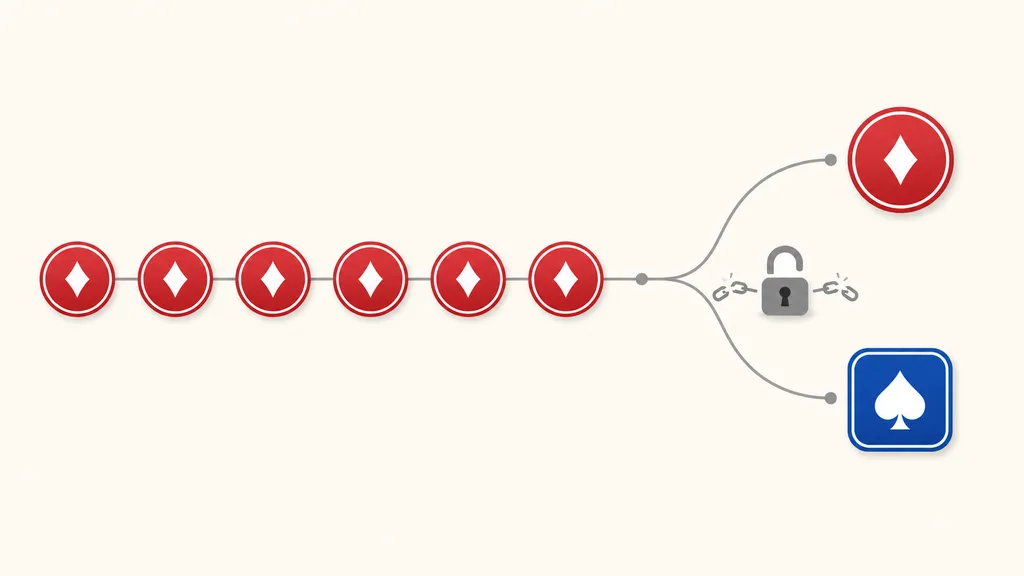
과신은 서로 반대되는 믿음과도 결합한다. 하나는 “banker가 너무 많이 나왔으니 이제 player가 나올 때다”라는 gambler’s fallacy이고, 다른 하나는 “banker가 계속 나오고 있으니 더 이어질 것이다”라는 hot-hand thinking이다. 방향은 다르지만 둘 다 최근 결과에 과도한 의미를 부여한다는 점에서 비슷하다.
이 차이를 더 자세히 보고 싶다면 바카라에서 streak를 오해하는 방식을 함께 읽어볼 수 있다. 핵심은 특정 패턴이 눈에 보인다는 사실과 그 패턴이 다음 결과를 보장한다는 주장은 전혀 다르다는 점이다.
Loss Aversion과 손실 추격
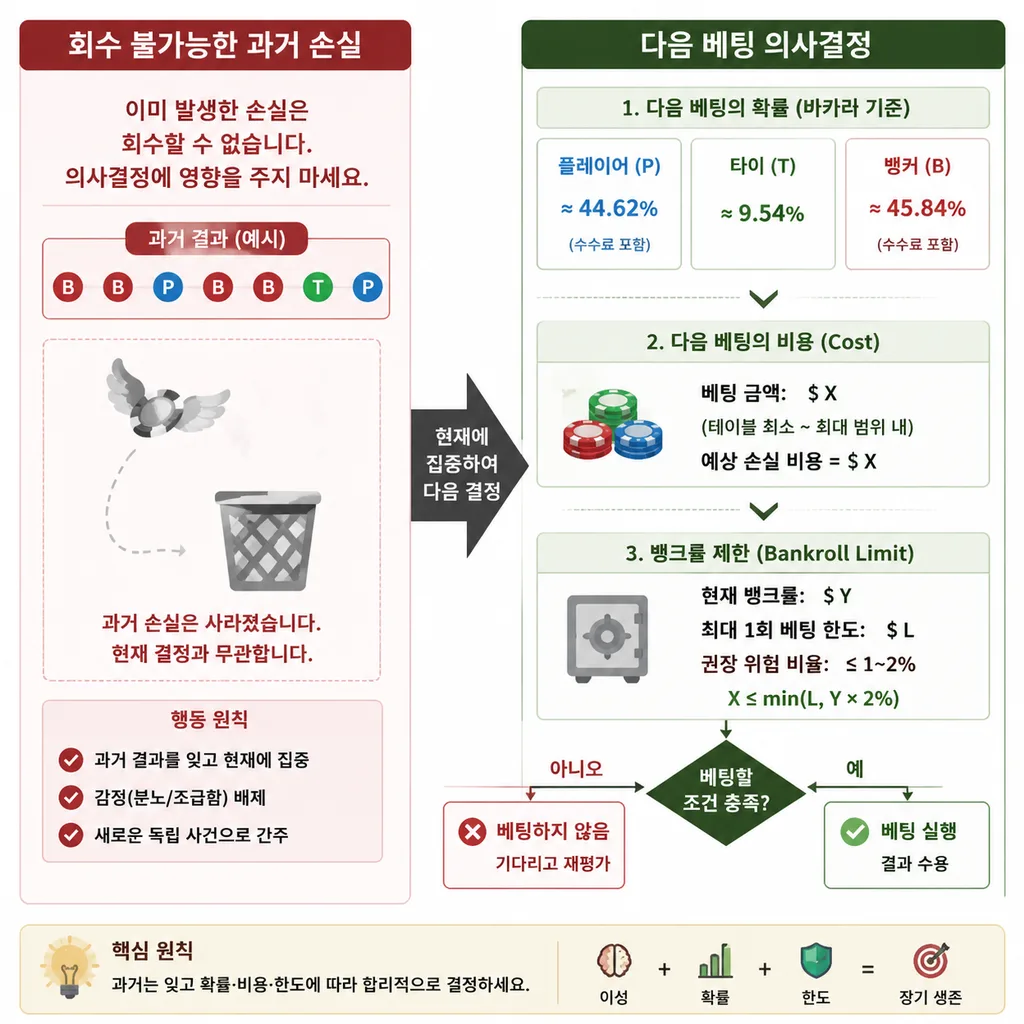
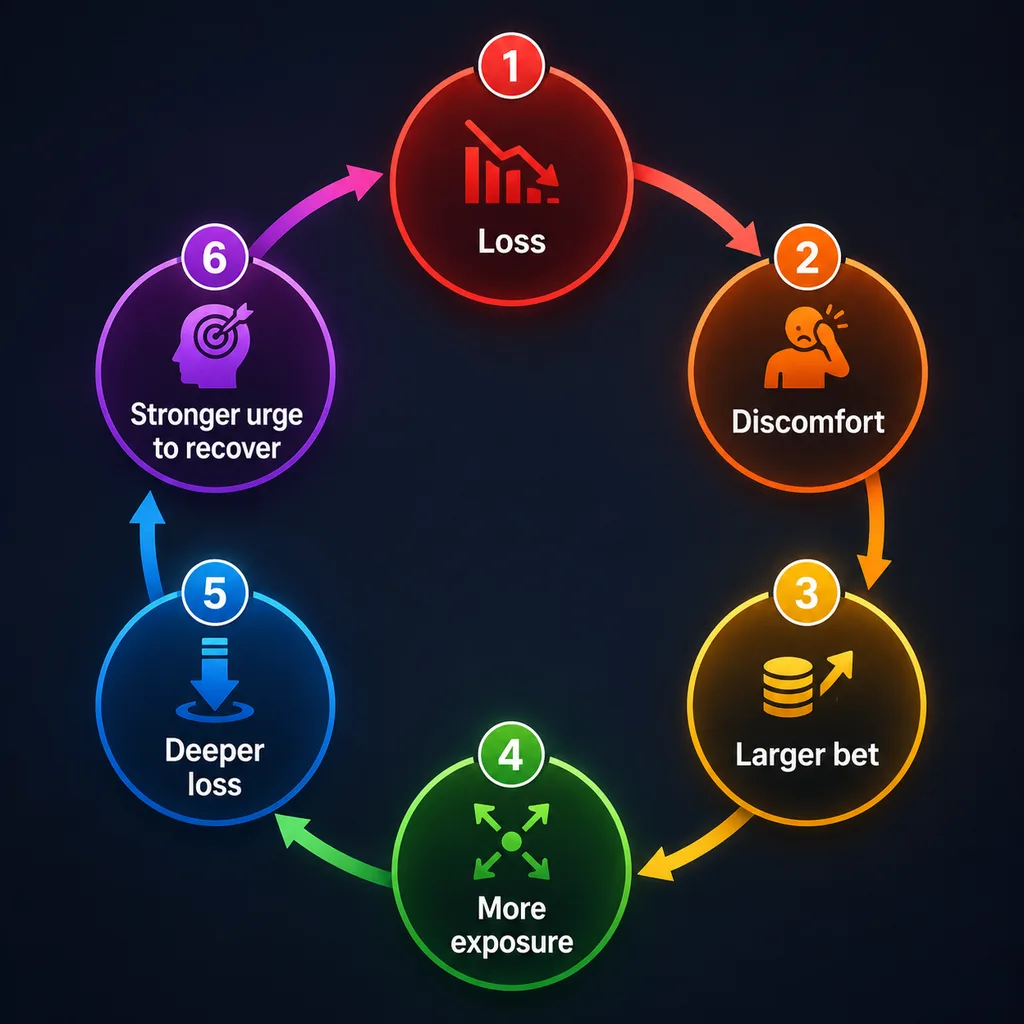
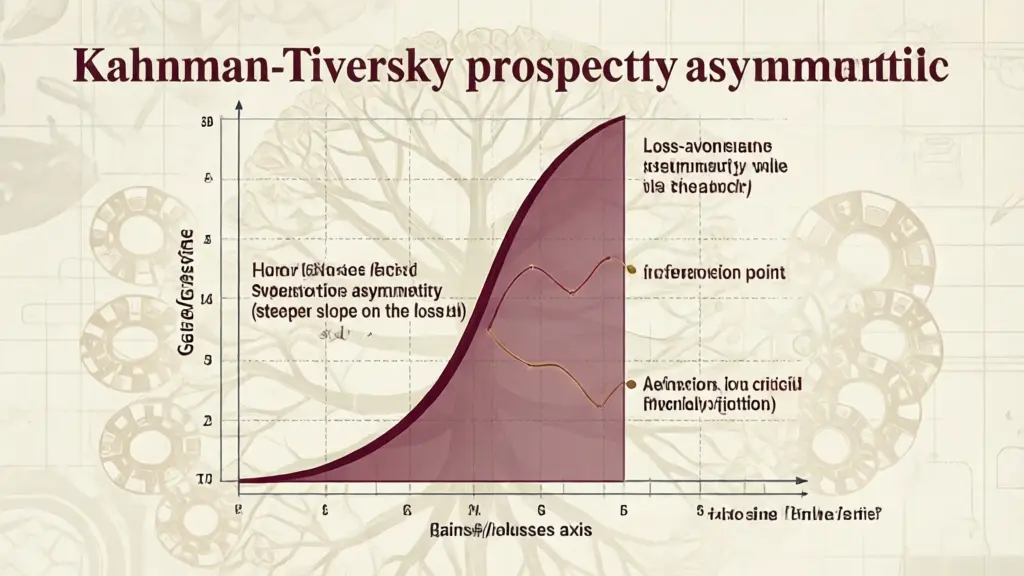
과신한 베팅이 실패하면 심리적 압박은 더 커진다. 플레이어는 단순히 돈을 잃었다고 느끼는 것이 아니라 “내 판단이 틀렸다”는 불편함까지 경험한다. 이때 손실을 회복하고 자기 판단을 증명하려는 충동이 생기면 loss chasing으로 이어질 수 있다.
loss aversion in high-variance decisions는 이 과정을 이해하는 데 도움이 된다. 손실 회피 성향은 누구에게나 있을 수 있지만, 과신과 결합하면 쉬어야 할 순간에 오히려 더 크게 베팅하게 만들 수 있다.
바카라 과신 편향의 흔한 위험 신호
- 최근 몇 번의 적중을 운보다 실력으로 해석한다.
- 세션 시작 전에 정한 단위보다 빠르게 베팅 금액을 올린다.
- 스코어보드를 보며 “이번은 확실하다”는 표현을 자주 쓴다.
- 졌을 때도 분석이 틀렸다고 인정하지 않고, 다음 베팅으로 증명하려 한다.
- banker, player, tie의 실제 house edge보다 자신의 감각을 더 신뢰한다.
- 쉬어야 할 때 “한 번만 더 보면 흐름이 보인다”고 느낀다.
- 이전 세션의 성공을 근거로 오늘도 같은 방식이 반복될 것이라고 기대한다.
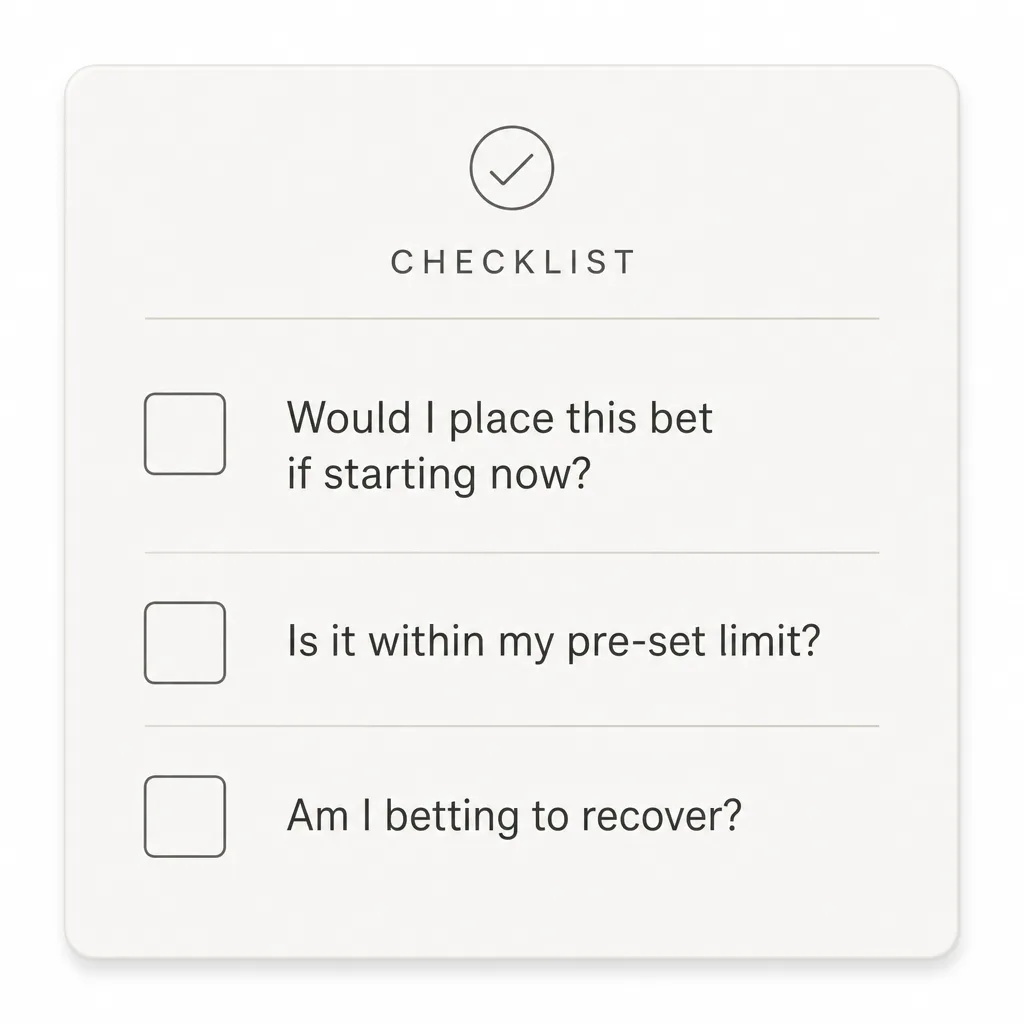
이 신호들은 누군가를 비난하기 위한 목록이 아니다. 오히려 플레이 중 누구에게나 나타날 수 있는 마음의 자동 반응을 알아차리기 위한 체크리스트다.
과신은 bet sizing을 어떻게 바꾸는가?
예측보다 위험한 순간은 금액을 키울 때다
과신의 가장 큰 위험은 “생각이 틀릴 수 있다”는 사실 자체보다, 그 생각을 근거로 bet sizing을 바꾸는 순간에 있다. 같은 판단이라도 작은 단위에서는 제한된 위험으로 끝날 수 있지만, 확신이 stake escalation으로 이어지면 한 번의 변동성이 세션 전체를 흔들 수 있다.
Flat betting에서 갑자기 progression betting으로 넘어가거나, 손실 직후 단위를 올리는 행동은 과신과 손실 회피가 함께 작동한다는 신호일 수 있다. 베팅 금액이 커진다고 예측의 정확성이 높아지는 것은 아니다.
큰 베팅의 성공은 과신을 더 강하게 만든다
큰 베팅이 우연히 성공하면 “역시 내 판단이 맞았다”는 기억이 매우 강하게 남는다. 반대로 실패하면 손실 회복 압박이 커진다. 어느 쪽이든 감정의 진폭이 커지고, 다음 결정을 더 어렵게 만든다.
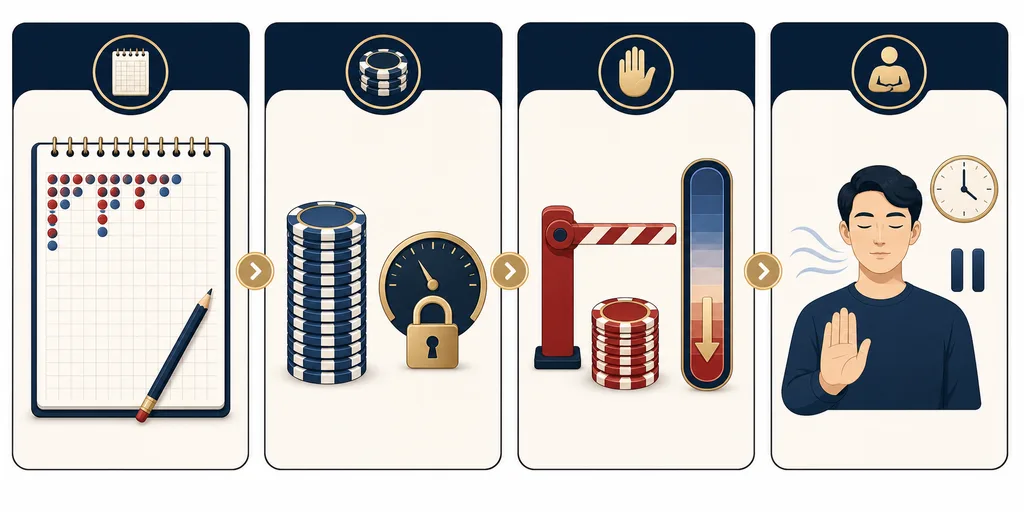
그래서 bankroll management는 승률을 올리는 시스템이 아니라 노출 규모를 통제하는 행동 장치로 봐야 한다. 예산, 단위, 시간 제한, 중단 기준을 사전에 정하는 방식은 baccarat bankroll management의 핵심이며, 과신이 커졌을 때도 자동으로 제동을 걸어준다.

자신감과 과신은 무엇이 다른가?
자신감은 계획 안에서 움직이는 감각에 가깝다. 예산을 알고, 단위를 지키고, 틀렸을 때 멈출 수 있으며, 결과가 운의 영향을 받는다는 점을 인정한다. 반면 과신은 결과를 자신의 reading 능력으로 과도하게 설명하고, 계획보다 감정에 따라 금액을 키우게 만든다.
통제 가능한 것은 예산, 베팅 단위, 시간 제한, 휴식, 게임 선택, tie나 side bet을 피하는 선택, 플레이 중단이다. 통제하기 어렵거나 제한적인 것은 다음 hand 결과, streak 지속 여부, shoe가 뜨겁다는 감각, 과거 결과가 다음 결과를 보장한다는 믿음이다.
표준적인 바카라에서 카드 카운팅이나 shoe composition에 관한 논의가 존재하더라도, 일반 플레이어가 실용적 우위를 안정적으로 얻는다고 말하기는 어렵다. 따라서 건전한 접근은 “흐름을 지배하는 법”이 아니라 “내가 통제할 수 있는 행동을 제한하는 법”에 더 가깝다.
베팅을 키우기 전 30초 자가 점검
다섯 가지 질문
- 내가 지금 확률을 보고 있는가, 아니면 최근 감정을 보고 있는가?
- 이 베팅 크기는 세션 시작 전에 정한 계획 안에 있는가?
- 최근 승리가 반복 가능하다는 객관적 증거가 있는가?
- 틀렸을 때 멈출 기준이 이미 정해져 있는가?
- 지금 쉬면 불안하거나 아깝다는 느낌이 강한가?
30초 멈춤 규칙
큰 베팅을 하기 전 30초만 멈춰도 행동의 자동성을 줄일 수 있다. 이 시간 동안 사전 한도, 남은 예산, 플레이 시간, 손실 제한을 확인한다. 이 규칙은 치료법이나 승률 개선법이 아니라, 과신이 행동으로 번지기 전에 끊어주는 안전장치다.
특히 “이번만 올리고 다시 줄이자”는 생각이 반복된다면 그 자체가 점검 신호다. 과신은 대개 극적인 확신보다 작은 예외 허용에서 시작된다.
확신이 경고 신호가 되는 순간
도박이 더 이상 선택이나 오락처럼 느껴지지 않거나, 손실을 회복하기 위해 계속해야 한다는 압박이 커진다면 이는 전략 문제가 아닐 수 있다. 특정 플레이어를 진단할 수는 없지만, 멈추기 어렵고 일상 예산이나 관계에 영향을 준다면 도움을 요청하는 선택이 필요하다.
미국 기준으로 National Council on Problem Gambling은 National Problem Gambling Helpline을 통해 1-800-MY-RESET 전화, 문자, 채팅 지원을 24/7/365 제공하며 지역 리소스 연결을 안내한다. 국가와 지역별 지원 체계는 다를 수 있으므로, 자신의 위치에 맞는 공식 지원기관을 확인하는 것이 좋다.
Key Takeaways on Baccarat Overconfidence Bias
- Baccarat Overconfidence Bias는 단기 성공을 실력으로 오해하게 만든다.
- 낮은 house edge는 예측 가능성이나 통제 가능성을 뜻하지 않는다.
- 가장 큰 위험은 확신이 bet sizing을 키우는 순간에 나타난다.
- 스코어보드와 streak는 과거 설명처럼 보이지만 미래 결과를 보장하지 않는다.
- 사전 한도, 작은 단위, 휴식, 30초 점검은 과신을 줄이는 실용적 장치다.
바카라에서 확신을 느끼는 것은 이상한 일이 아니다. 다만 그 확신이 계획을 바꾸고, 손실 후 더 큰 베팅을 정당화하고, 과거 성공을 미래의 증거처럼 만들 때는 멈춰 볼 필요가 있다. 책임 있는 플레이는 더 강한 확신을 만드는 일이 아니라, 확신이 과해질 때도 스스로를 보호할 구조를 미리 세우는 일이다.