Market Analysis

온라인 바카라 시장 동향 분석: 라이브 딜러와 모바일 전환이 바꾸는 iGaming 흐름

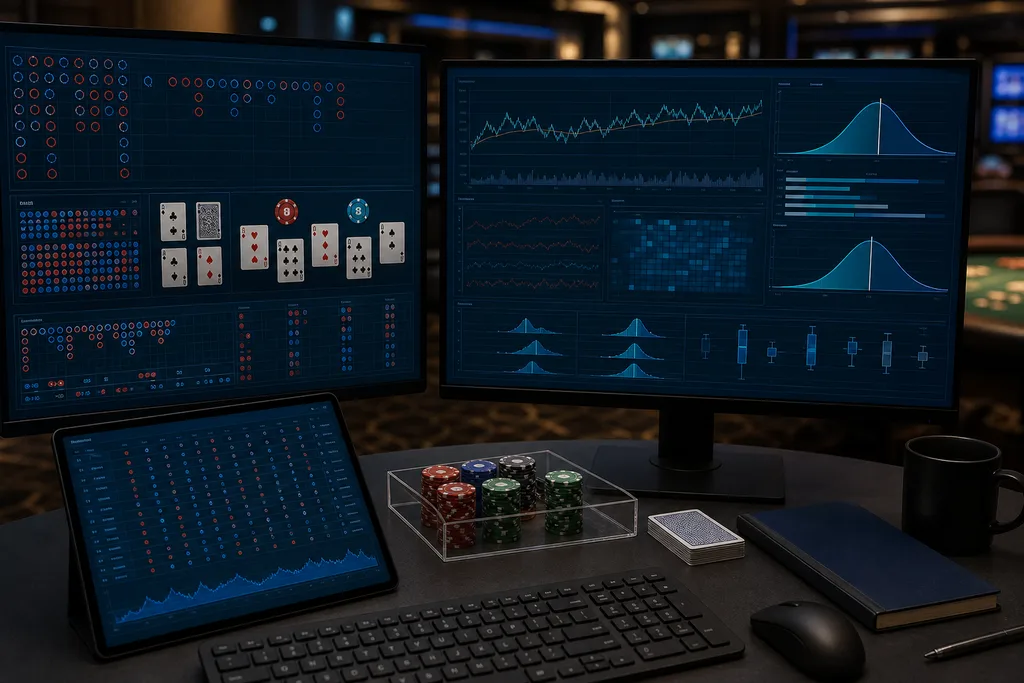
온라인 바카라 시장 동향 분석에서 가장 먼저 확인해야 할 점은 바카라가 독립된 글로벌 시장으로 집계되기보다 온라인 카지노, 라이브 딜러 카지노, 모바일 iGaming 시장 안의 핵심 콘텐츠로 해석된다는 사실입니다. 검색자가 기대하는 “바카라 시장 규모”는 대개 공식 통계에서 단일 항목으로 분리되지 않습니다. 따라서 정확한 분석은 온라인 도박 시장의 성장, 카지노 부문의 비중, 라이브 스트리밍 게임의 확산, 지역별 규제 변화를 함께 읽는 방식이 필요합니다.

온라인 바카라 시장 동향 분석과 라이브 딜러 카지노 성장

온라인 바카라 시장 동향 분석에서 먼저 봐야 할 흐름

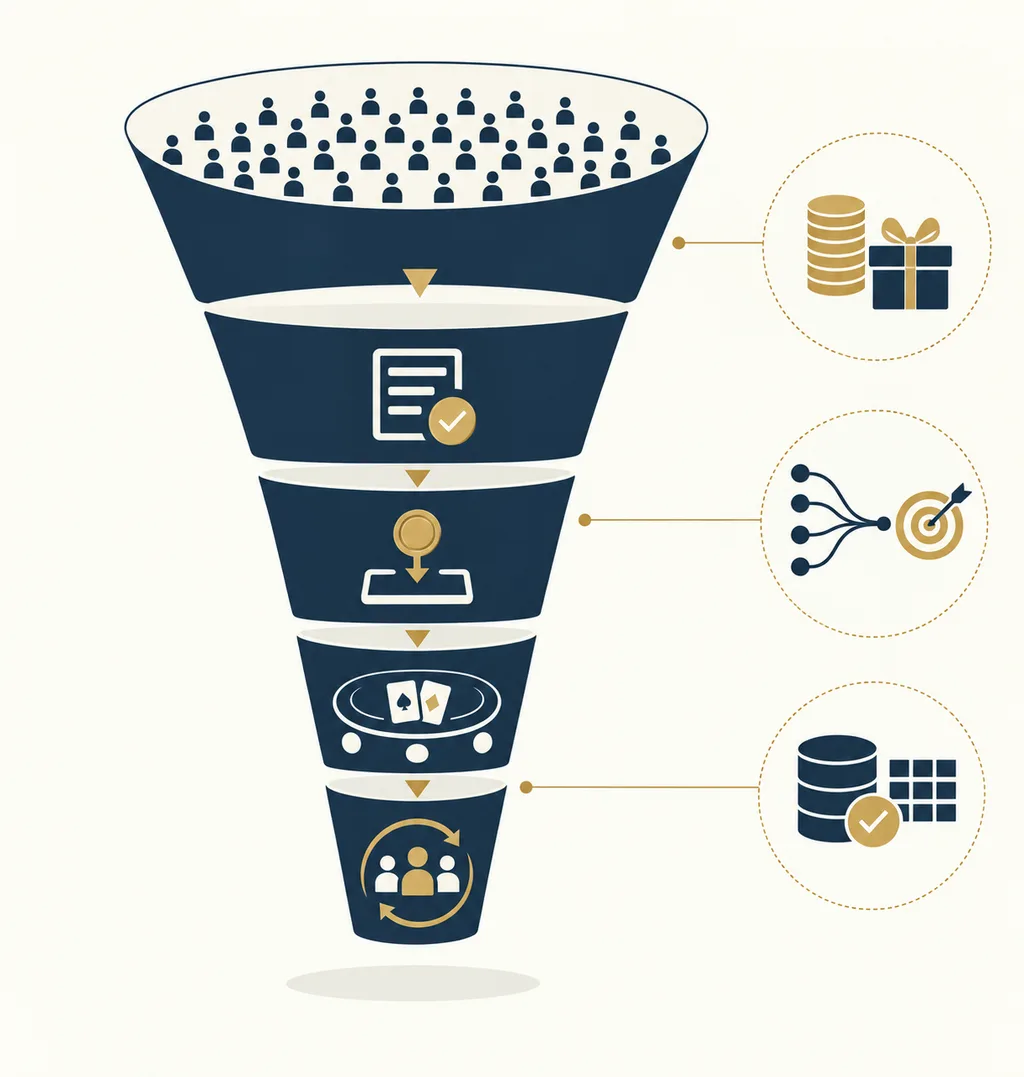
온라인 바카라의 성장은 단순히 한 카드 게임의 인기 상승만으로 설명하기 어렵습니다. 더 큰 배경에는 오프라인 카지노 경험을 영상으로 옮기는 라이브 딜러 기술, 스마트폰 중심의 이용 행태, 계정 인증과 결제 인프라, 합법화와 규제 정비가 있습니다. 이 네 가지가 맞물리면서 바카라는 온라인 카지노 사업자가 제공하기 쉬운 대표 라이브 게임으로 자리 잡았습니다.

Mordor Intelligence의 온라인 도박 시장 자료는 글로벌 온라인 도박 시장이 2026년 약 1,203억5천만 달러에서 2031년 약 2,119억9천만 달러로 성장할 수 있으며, 연평균 성장률을 약 11.99%로 제시합니다. 이 수치는 바카라 단독 매출이 아니라 온라인 도박 전체 시장 전망입니다. 다만 카지노 부문과 모바일 플랫폼의 확대는 바카라 수요를 추정할 때 중요한 간접 지표가 됩니다.

핵심은 성장과 안전성을 분리해 보는 것입니다. 시장이 커진다는 사실이 플레이어의 승률 상승이나 손실 위험 감소를 뜻하지는 않습니다. 바카라의 기대값은 게임 규칙, 수수료, 베팅 구조에 의해 결정되며 시장 규모와는 별개입니다. 이 지점을 놓치면 시장 분석이 참여 유도나 과장된 수익 기대와 혼동될 수 있습니다.

바카라는 왜 온라인 카지노와 라이브 딜러 시장으로 읽어야 할까

온라인 도박 보고서에서 스포츠 베팅, 카지노, 포커, 빙고처럼 큰 카테고리는 비교적 자주 분리되지만, 바카라·룰렛·블랙잭 같은 개별 테이블 게임의 글로벌 매출은 공개적으로 일관되게 집계되지 않는 경우가 많습니다. 그래서 온라인 바카라 시장을 분석할 때는 “바카라 단일 시장”보다 “온라인 카지노 안에서 바카라가 어떤 위치를 갖는가”를 보는 편이 현실적입니다.

바카라는 규칙이 비교적 단순하고 게임 진행이 빠르며, 플레이어가 복잡한 의사결정을 반복하지 않아도 되는 구조입니다. 이런 특성은 라이브 딜러 환경과 잘 맞습니다. 사업자 입장에서는 한 명의 딜러와 한 테이블을 통해 다수 이용자를 동시에 수용할 수 있고, 이용자 입장에서는 실제 카드와 딜러 화면을 보며 RNG 기반 게임보다 직관적인 신뢰감을 느낄 수 있습니다. 라이브 포맷의 구조는 라이브 딜러 카지노 분석에서 자주 언급되는 핵심 성장 요인입니다.

글로벌 온라인 도박 시장이 바카라에 주는 의미

전체 온라인 도박 시장의 확대는 온라인 바카라에 세 가지 의미를 줍니다. 첫째, 플랫폼 사업자가 더 많은 테이블 게임과 라이브 스튜디오에 투자할 여력이 생깁니다. 둘째, 모바일 최적화와 결제 편의성이 개선되며 접근성이 높아집니다. 셋째, 합법 시장이 커질수록 라이선스, KYC, AML, 이용자 보호 체계가 경쟁력의 일부가 됩니다.

특히 모바일·태블릿 플랫폼의 비중 확대는 바카라에 직접적인 영향을 줍니다. 온라인 바카라는 긴 전략 설명보다 짧은 세션, 세로형 화면, 빠른 접속, 안정적인 영상 송출이 중요합니다. 시장 자료에서 모바일·태블릿이 온라인 도박 매출의 큰 비중을 차지하고 향후에도 빠르게 성장할 것으로 제시되는 이유도 이와 연결됩니다.

다만 데이터 해석에는 주의가 필요합니다. “온라인 카지노 시장 성장”은 슬롯, 룰렛, 블랙잭, 바카라, 게임쇼형 라이브 콘텐츠까지 포함할 수 있습니다. 따라서 특정 보고서의 카지노 부문 성장률을 그대로 온라인 바카라 성장률로 바꾸어 말하는 것은 부정확합니다. 온라인 바카라 시장 동향 분석은 직접 통계가 부족한 영역을 간접 지표로 읽는 작업에 가깝습니다.

글로벌 온라인 도박 시장 규모와 성장률 전망

온라인 바카라 성장을 이끄는 주요 동인

첫 번째 동인은 라이브 딜러 카지노의 확산입니다. 과거 온라인 바카라는 주로 RNG가 결과를 산출하는 디지털 테이블 형태였습니다. 최근에는 스튜디오에서 딜러가 실제 카드를 배분하고 이를 실시간 영상으로 송출하는 방식이 보편화되면서, 오프라인 카지노와 온라인 플랫폼의 경계가 흐려졌습니다.

두 번째 동인은 모바일화입니다. 스마트폰 화면에서 카드 결과, 배당, 채팅, 베팅 제한, 게임 기록을 한 번에 확인해야 하므로 UI 설계가 시장 경쟁력으로 떠올랐습니다. 모바일 우선 설계는 단순한 화면 축소가 아니라 지연 시간, 터치 오류 방지, 책임도박 알림, 계정 보안까지 포함하는 운영 과제입니다.

세 번째 동인은 고속 인터넷과 저지연 스트리밍입니다. 라이브 바카라는 영상이 끊기거나 카드 판독이 지연되면 신뢰가 흔들립니다. 5G와 광대역 인터넷, 클라우드 송출 기술은 라이브 딜러 게임의 품질을 높이지만, 실제 성능은 지역 인프라와 사업자의 투자 수준에 따라 달라집니다.

네 번째 동인은 디지털 결제와 계정 인증입니다. 합법 시장에서는 빠른 입출금만큼이나 본인확인, 자금세탁방지, 이상 거래 탐지가 중요합니다. 결제 편의성이 높아질수록 과도한 지출을 막기 위한 한도 설정과 경고 시스템도 함께 강화되어야 합니다.

다섯 번째 동인은 지역별 합법화와 규제 정비입니다. 라이선스 제도는 시장을 제도권으로 끌어들이는 성장 요인이지만 동시에 세금, 감사, 보고 의무, 광고 제한 같은 비용을 만듭니다. 사업자에게 규제는 기회이자 진입 장벽이며, 이용자에게는 보호 장치이자 접근 제한으로 작용합니다.

온라인 바카라 시장 성장을 이끄는 주요 요인

라이브 딜러 바카라가 시장의 중심이 된 이유

라이브 바카라가 주목받는 가장 큰 이유는 신뢰의 시각화입니다. RNG 바카라는 소프트웨어와 난수 생성 인증을 기반으로 공정성을 설명하지만, 일반 이용자에게는 그 과정이 보이지 않습니다. 반면 라이브 바카라는 딜러, 슈, 카드, 결과 처리가 화면에 표시되므로 투명하다는 인상을 주기 쉽습니다. 물론 영상으로 보인다고 해서 모든 위험이 사라지는 것은 아니며, 라이선스와 운영 감사가 여전히 중요합니다.

운영 효율도 큽니다. 바카라는 블랙잭처럼 각 플레이어가 개별 의사결정을 많이 하는 게임이 아니기 때문에, 한 라운드에 많은 이용자를 동시에 수용하기 쉽습니다. 이 구조는 라이브 스튜디오의 수익성과 확장성에 유리합니다. 또한 아시아권에서 바카라 선호도가 높다는 문화적 배경은 글로벌 라이브 카지노 사업자가 바카라 테이블을 적극적으로 배치하는 이유 중 하나로 자주 거론됩니다.

RNG 바카라와 라이브 바카라의 차이는 신뢰를 만드는 방식에서도 갈립니다. RNG 방식은 독립 시험기관의 검증, 난수 알고리즘, 지급률 감사가 핵심이고, 라이브 방식은 물리적 카드 운영, 영상 송출, 딜러 절차, 테이블 모니터링이 중요합니다. 자세한 기술적 맥락은 온라인 바카라 공정성 검증을 함께 보면 이해하기 쉽습니다.

지역별 시장 환경은 규제에 따라 크게 달라진다

유럽은 비교적 성숙한 온라인 도박 시장으로 분류됩니다. 다수 국가가 라이선스 제도와 세금 체계를 갖추고 있으며, 광고 제한과 이용자 보호 규정도 강화되는 추세입니다. 유럽 시장에서는 성장률만큼이나 규정 준수 비용, 국경 간 서비스 제한, 사업자 통합이 중요한 변수로 작용합니다.

영국은 공식 통계와 규제 감독이 비교적 체계화된 시장입니다. 영국 도박위원회는 시장 규모, 참여율, 산업 통계, 이용자 보호 정책을 지속적으로 공개하며, 온라인 카지노 사업자는 엄격한 라이선스 조건을 따라야 합니다. 이런 환경에서는 단순히 게임 수를 늘리는 것보다 안전장치, 광고 책임, 취약 이용자 보호가 시장 신뢰를 좌우합니다.

북미는 주별·관할권별 합법화 속도 차이가 큰 지역입니다. 일부 지역에서는 온라인 카지노와 스포츠 베팅이 빠르게 제도권으로 들어오고 있지만, 다른 지역은 여전히 제한적입니다. 따라서 북미 온라인 바카라 시장은 단일 국가 시장처럼 보기보다 각 주의 라이선스 조건과 세율, 허용 게임 범위를 나누어 봐야 합니다.

아시아는 바카라 수요가 높게 평가되는 지역이지만 규제 지형은 매우 복잡합니다. 국가별로 허용 범위가 크게 다르고, 역외 사업자 문제와 불법 플랫폼 리스크도 함께 존재합니다. 온라인 도박 법규는 자주 바뀌므로 지역별 판단은 반드시 최신 현지 법규와 감독기관 기준을 확인해야 합니다. 큰 틀의 비교는 온라인 도박 규제 지형과 연결해 볼 수 있습니다.

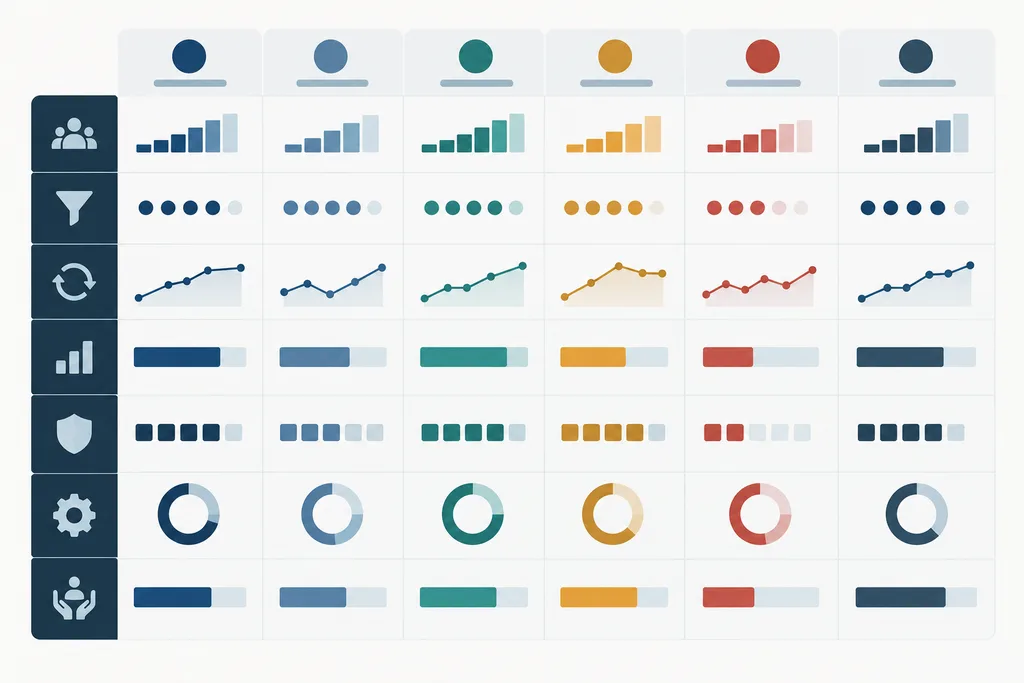
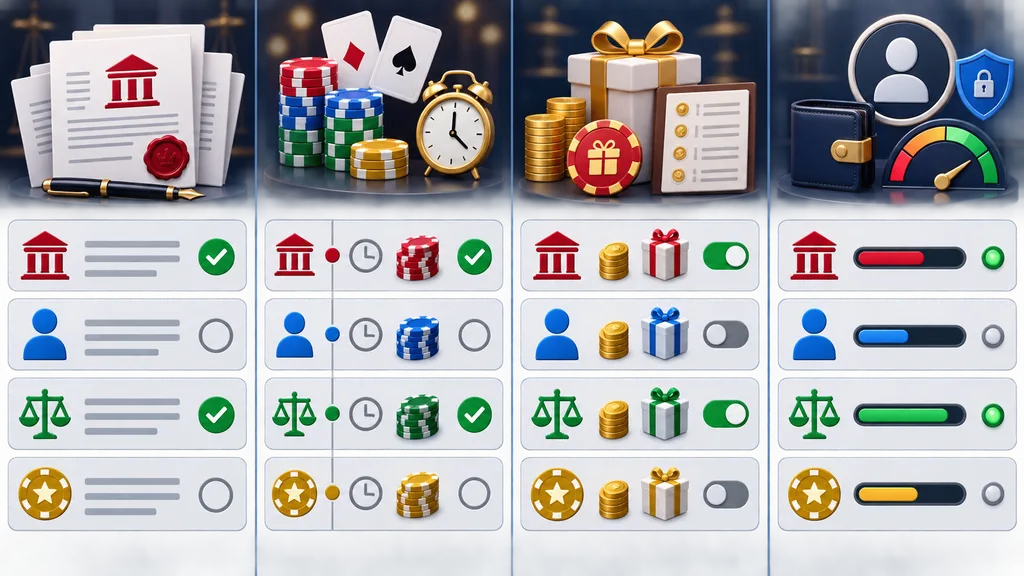
지역별 온라인 바카라 규제와 시장 환경 비교

기술 변화는 성장과 감시를 동시에 강화한다

AI, 데이터 분석, 개인화 추천은 온라인 바카라 시장에서도 관심을 받지만 과장해서 볼 필요는 없습니다. 실제 채택은 사업자 규모, 라이선스 조건, 개인정보 규제, 기술 비용에 따라 달라집니다. 긍정적으로는 이상 거래 탐지, 미성년자 접근 차단, 문제성 이용 패턴 감지에 활용될 수 있습니다. 반대로 과도한 개인화가 더 긴 이용 시간이나 충동적 지출을 유도한다면 규제 논란이 커질 수 있습니다.

공정성 인증 역시 시장 신뢰의 핵심입니다. RNG 게임은 알고리즘 검증과 정기 감사가 중요하고, 라이브 게임은 카드 취급 절차, 스튜디오 보안, 결과 기록, 영상 품질 관리가 중요합니다. 이용자는 특정 플랫폼을 평가할 때 화려한 화면보다 라이선스, 감사 정보, 이용 제한 도구, 고객 자금 보호 정책을 먼저 확인해야 합니다.

시장 성장의 리스크를 함께 봐야 한다

온라인 바카라 시장이 커질수록 규제 공백과 역외 사업자 문제도 부각됩니다. 합법 시장은 감독과 분쟁 해결 절차를 제공하지만, 무허가 사이트는 자금 보호, 개인정보 보안, 결과 검증, 이용자 보호 장치가 취약할 수 있습니다. 특히 국경을 넘는 온라인 서비스는 이용자가 어느 관할권의 보호를 받는지 불명확한 경우가 있습니다.

도박 피해도 시장 분석에서 빠질 수 없습니다. WHO의 도박 관련 팩트시트는 온라인 접근성과 스마트폰 확산이 도박 참여를 쉽게 만들 수 있으며, 도박 장애와 재정·정신건강 피해가 공중보건 문제로 다뤄져야 한다고 설명합니다. 따라서 “합법 플랫폼이면 안전하다”거나 “책임도박 도구만 있으면 문제가 없다”는 식의 단정은 위험합니다.

또한 시장 성장과 플레이어 수익성을 연결해서는 안 됩니다. 바카라의 하우스 엣지는 게임 구조에 내재한 통계적 조건이며, 장기적으로 사업자에게 유리하게 설계됩니다. 바카라 하우스 엣지를 이해하면 시장 규모, 라이브 화질, 플랫폼 인지도와 개인의 기대값은 별개의 문제라는 점을 분명히 알 수 있습니다. 이용 한도와 손실 제한의 원칙은 책임 있는 바카라 이용의 기본 전제입니다.

향후 온라인 바카라 시장 전망

향후 온라인 바카라 시장은 라이브 포맷, 모바일 우선 설계, 규제 준수 역량을 중심으로 재편될 가능성이 높습니다. 라이브 딜러 바카라는 단순한 게임 제공을 넘어 스튜디오 운영, 다국어 딜러, 지역별 테이블, 저지연 송출, 실시간 모니터링이 결합된 콘텐츠 산업에 가까워지고 있습니다.

동시에 규제 비용은 사업자 전략을 바꿀 것입니다. 세금과 라이선스 비용이 높은 시장에서는 대형 사업자 중심의 통합이 진행될 수 있고, 광고 제한이 강화되면 브랜드 신뢰와 기존 고객 관리가 더 중요해집니다. 이용자 보호 기준을 충족하지 못하는 사업자는 합법 시장에서 경쟁하기 어려워질 수 있습니다.

결론적으로 온라인 바카라 시장 동향 분석의 핵심은 “성장하는 게임”이 아니라 “규제와 기술의 영향을 강하게 받는 온라인 카지노 콘텐츠”로 보는 데 있습니다. 라이브 딜러와 모바일 전환은 시장 확대를 이끌지만, 이용자 입장에서는 성장률을 승률이나 수익 가능성으로 오해하지 않아야 합니다. 온라인 바카라를 둘러싼 시장은 커질 수 있지만, 공정성 검증, 현지 규제, 데이터 보안, 도박 피해 리스크를 함께 확인하는 균형 잡힌 관점이 더 중요합니다.

자주 묻는 질문

온라인 바카라 시장은 실제로 성장하고 있나요?

바카라 단독 공식 통계는 제한적이지만, 온라인 도박·온라인 카지노·라이브 딜러 시장의 성장 흐름을 보면 온라인 바카라도 그 안에서 중요한 콘텐츠로 확대되고 있다고 해석할 수 있습니다.

라이브 바카라와 RNG 바카라 중 어느 쪽이 더 주목받나요?

최근 시장 관심은 라이브 딜러 바카라에 더 많이 쏠립니다. 실제 딜러와 카드가 보이는 영상 경험, 모바일 스트리밍 기술, 다수 이용자 수용 구조가 성장 요인으로 작용합니다.

시장 성장이 플레이어에게 유리한 조건을 뜻하나요?

아닙니다. 시장 규모가 커져도 바카라의 기대값과 하우스 엣지는 게임 규칙에 따라 결정됩니다. 성장 전망은 산업 지표일 뿐 개인의 수익 가능성을 보장하지 않습니다.

Algorithmic Audits

RNG Audit Report Analysis: 카지노 무작위성 보고서 읽는 법

RNG Audit Report Analysis에서 가장 먼저 버려야 할 습관은 첫 페이지의 “Result: Pass”만 보고 판단을 끝내는 것입니다. RNG 감사 보고서는 플레이어에게 유리한 게임을 보장하는 문서가 아니라, 특정 버전의 무작위 생성기와 그 구현이 정해진 기준과 범위 안에서 테스트를 통과했다는 기술 문서입니다. 따라서 좋은 보고서일수록 “무엇을 테스트했는가”, “무엇은 테스트하지 않았는가”, “운영 중인 코드와 보고서의 코드가 같은가”를 구체적으로 보여줍니다.

온라인 카지노, 디지털 바카라, 슬롯, 룰렛처럼 RNG 기반 결과를 쓰는 게임을 검토할 때 이 차이는 중요합니다. 인증은 승리 보장이 아니며, 하우스 엣지를 없애지도 않습니다. 다만 결과 생성 과정이 편향 없이 설계·구현되었는지 확인할 근거를 제공합니다.

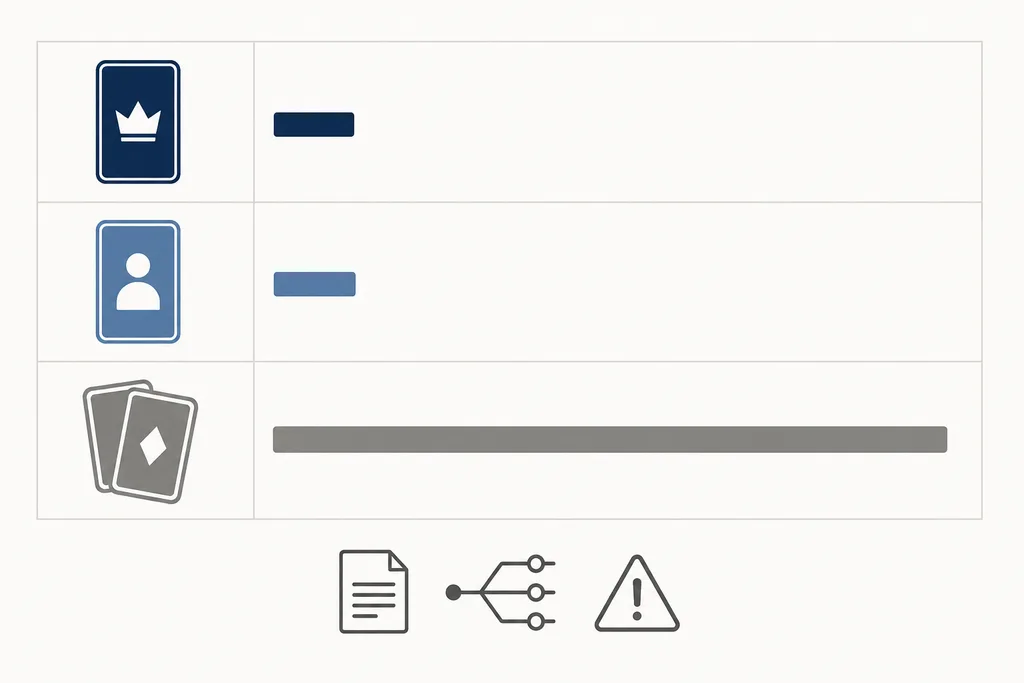
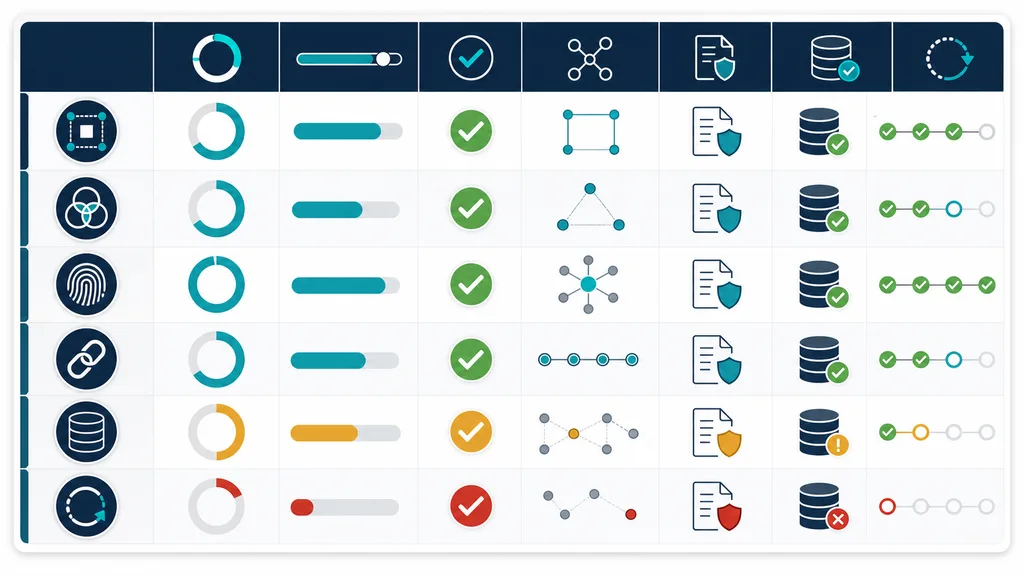
RNG 감사 보고서 첫 페이지의 주요 필드 주석

보고서가 실제로 인증하는 것은 결과가 아니라 과정입니다

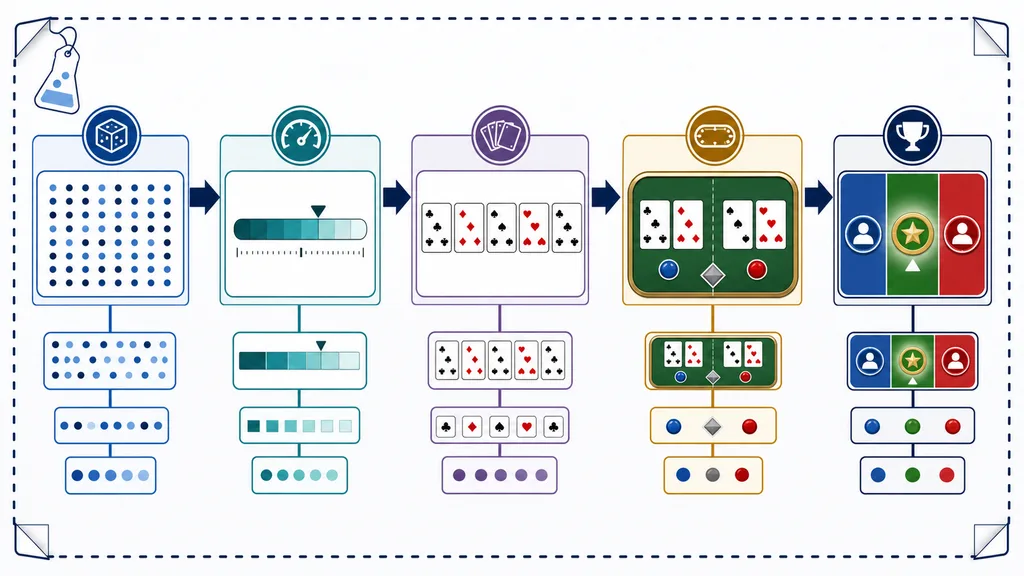
RNG는 보통 raw output, 즉 기본 숫자 흐름을 만들고 게임 엔진은 이를 카드, 슬롯 릴, 룰렛 포켓 같은 player-facing outcome으로 변환합니다. 예를 들어 바카라에서는 난수가 가상 슈의 카드 순서나 카드 선택 절차에 적용될 수 있고, 슬롯에서는 심볼 위치나 릴 정지 지점으로 매핑됩니다. 이때 보고서가 확인하는 것은 “다음 판에 누가 이기는가”가 아니라, 이러한 생성·변환 과정이 기준에 맞게 작동하는가입니다.

따라서 “Passed”는 항상 문장 뒤에 조건이 붙습니다. 특정 RNG 버전, 특정 소프트웨어 빌드, 특정 플랫폼, 특정 관할 표준, 특정 테스트 범위에서 통과했다는 뜻입니다. RNG 인증 절차 자체가 궁금하다면 how RNG certification works를 먼저 보고, 실제 보고서를 해석할 때는 아래 항목을 하나씩 대조하는 방식이 더 안전합니다.

첫 페이지에서 실험실, 기준, 버전부터 확인해야 합니다

테스트 기관 이름만으로 충분하지 않습니다

GLI, iTech Labs, eCOGRA 같은 독립 테스트 기관은 RNG 테스트와 인증에서 자주 등장합니다. 그러나 로고나 기관명만 보는 것은 부족합니다. 보고서 발행 주체, 승인자 이름 또는 직책, certificate reference, 연락처, 등록·인정 정보, 발행일을 함께 확인해야 합니다. PDF가 이미지 한 장으로만 제공되고 원본 문서의 식별 번호나 검증 경로가 없다면 투명성이 낮다고 보는 편이 합리적입니다.

관할 기준과 기술 표준은 보고서의 언어를 결정합니다

같은 RNG라도 어떤 기준으로 테스트했는지에 따라 보고서의 의미가 달라집니다. 예를 들어 UK Remote Gambling and Software Technical Standards, GLI-11, GLI-19 등은 적용 대상과 요구사항이 다릅니다. UK Gambling Commission의 testing procedure는 RNG 문서 검토, 알고리즘 또는 하드웨어 취약점 조사, 소스코드 검토, raw output 및 scaled/shuffled data의 통계 테스트, 부적합 사항 재평가를 포함하는 흐름을 설명합니다. 보고서에 표준명이 없으면 “무엇에 대해 통과했는지”가 흐려집니다.

제품 버전과 디지털 지문은 운영 코드와 연결됩니다

RNG version, software number, 플랫폼 버전, key files, checksums, MD5·SHA-1·SHA-256 해시 또는 digital signature는 보고서와 실제 운영 코드가 같은지를 이어 주는 단서입니다. 버전이 바뀌면 기존 보고서는 부분적으로만 유효할 수 있습니다. 특히 원격 게임 서버나 바카라 슈 로직이 업데이트되었는데 보고서 날짜가 그 이전이라면 재검증 범위를 확인해야 합니다.

많은 독자가 건너뛰는 scope가 가장 중요합니다

Scope of testing은 보고서의 심장입니다. 여기에는 RNG만 보았는지, 게임 수학과 RTP도 포함했는지, 플랫폼 통합까지 확인했는지, 소스코드와 실행 파일을 함께 비교했는지 등이 적힙니다. “RNG report”라는 제목이 전체 카지노 플랫폼의 보안, 자금 지급 능력, 고객 보호, 운영 윤리를 보증하는 것은 아닙니다.

raw output, scaled output, shuffled output은 서로 다릅니다

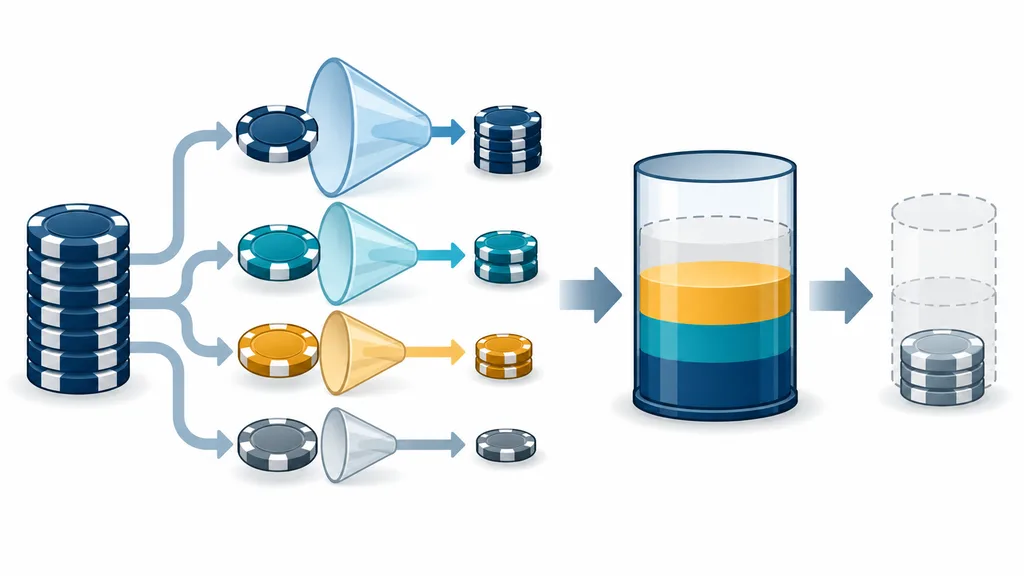
Raw output은 생성기가 처음 내놓는 숫자입니다. Scaled output은 그 숫자를 0~36 룰렛 포켓, 슬롯 릴 위치, 카드 인덱스처럼 게임 결과 범위로 변환한 값입니다. Shuffled output은 카드 게임에서 난수가 덱 순서나 가상 슈 배열에 적용된 결과입니다. 원시 난수가 좋아도 scaling 방식에 modulo bias가 있거나, 셔플 과정이 특정 카드 위치를 과소·과대 생성하면 실제 게임 결과는 편향될 수 있습니다. 바카라 문맥에서는 shuffle integrity in baccarat가 raw RNG만큼 중요합니다.

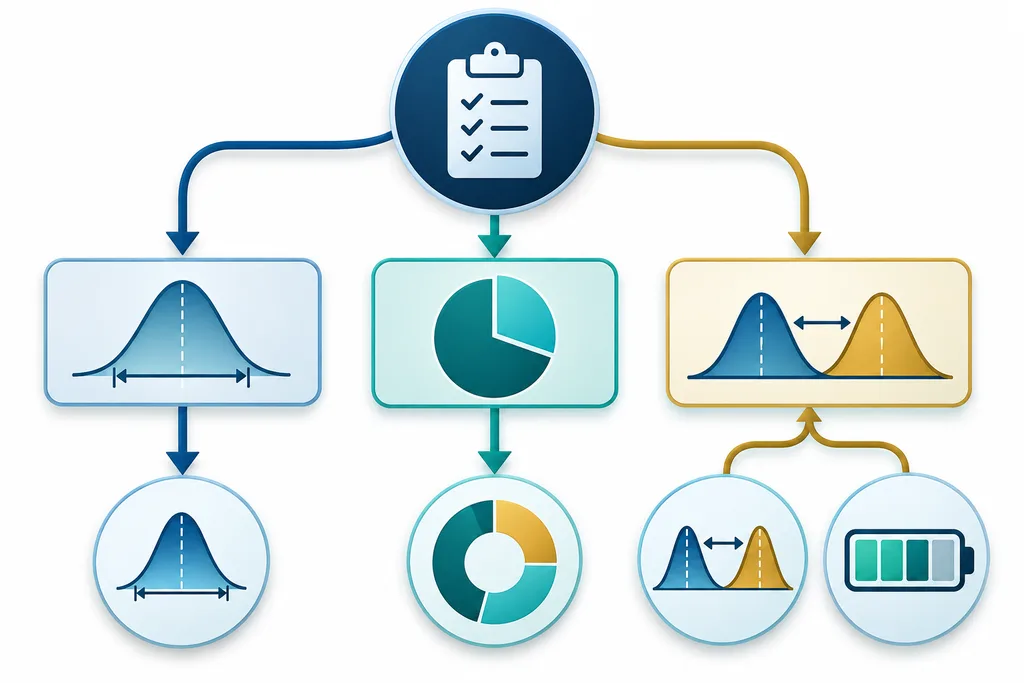
RNG 원시 출력이 게임 결과로 변환되는 흐름도

통계 테스트는 무엇을 증명하려는가

uniformity는 기대 빈도와의 차이를 봅니다

Uniformity 테스트는 가능한 결과가 기대 빈도에 맞게 고르게 나타나는지 봅니다. 바카라 카드 값, 슬롯 심볼, 룰렛 포켓이 장기 샘플에서 특정 방향으로 쏠리면 공정성 문제가 될 수 있습니다. 단, 짧은 구간에서 플레이어 또는 뱅커가 연속으로 나온다는 사실만으로 uniformity 위반이라고 말할 수는 없습니다. 보고서는 충분한 샘플 크기와 테스트 방법을 제시해야 합니다.

independence는 예측 가능성을 줄이는 핵심입니다

Independence는 이전 결과가 다음 결과를 예측하게 만들지 않는 성질입니다. “방금 뱅커가 세 번 나왔으니 다음은 플레이어”라는 식의 감각은 독립성 검증이 아닙니다. 감사 보고서는 대량 샘플에서 serial correlation, runs test, autocorrelation 등 패턴 신호를 확인했는지 보여줄 수 있습니다. 독립성이 약하면 결과 예측 가능성이나 순서 편향 문제가 생길 수 있습니다.

p-value는 무작위일 확률이 아닙니다

p-value는 “이 RNG가 무작위일 확률”이 아니라, 무작위라는 가정 아래 관측된 편차가 얼마나 이례적인지를 보여주는 통계 신호입니다. NIST SP 800-22는 난수·의사난수 생성기 평가용 통계 테스트를 제공하지만, 통계 테스트가 cryptanalysis를 대체하거나 특정 용도에 대한 절대적 적합성을 보증하지 않는다고 설명합니다. 또한 많은 테스트를 동시에 수행하면 일부 경계값이나 실패가 나올 수 있으므로, 보고서가 이를 어떻게 재검토하고 결론 내렸는지 읽어야 합니다.

출력 테스트만 통과해도 구현 문제는 남을 수 있습니다

좋은 통계 결과가 있다고 해서 구현 리스크가 사라지는 것은 아닙니다. 소스코드에서 seed를 부적절하게 만들거나, scaling 함수가 최종 빌드와 다르거나, 테스트용 도구가 실제 운영 함수와 다른 호출을 쓰면 보고서의 의미가 약해집니다. GLI의 제출 가이드는 최종 production에 가까운 RNG application, 동일한 functions와 scaling methodology, raw output collection tool, final outcome collection tool, key files와 checksums, 소스코드 문서화를 중시합니다. iTech Labs와 eCOGRA 역시 source code evaluation, raw 및 scaled/shuffled output testing, seed generation 검토, 주기적 테스트를 언급합니다.

Seed generation과 entropy도 핵심입니다. 강한 PRNG라도 seed가 반복되거나 예측 가능하면 결과가 노출될 수 있습니다. 다만 공개 보고서만으로 특정 사업자의 seed entropy가 충분하거나 부족하다고 단정해서는 안 됩니다. 필요한 것은 “seed source를 검토했는가”, “환경 의존성이 명시되었는가”, “운영 조건이 제한되어 있는가”를 확인하는 태도입니다.

제한 조건은 작은 글씨가 아니라 적용 범위입니다

“The scope was limited to…” 같은 문구는 반드시 읽어야 합니다. 샘플 RNG 보고서들은 software verification, source code review, data analysis/statistical testing처럼 범위를 나누어 적는 경우가 많습니다. 어떤 보고서는 replacement 또는 without replacement 조건, 특정 degrees of freedom, 운영체제 의존성, 하드웨어 난수원 조건을 제한으로 둡니다. 이 조건을 벗어난 사용은 통과 결과를 그대로 적용하기 어렵습니다.

업데이트도 중요합니다. RNG나 RGS 변경이 여러 게임의 공정성에 영향을 줄 수 있다면 대표 샘플 재테스트, 테스트 하우스 협의, 재인증이 필요할 수 있습니다. 오래된 보고서 자체가 곧 조작의 증거는 아니지만, 이후 버전 변경 이력과 연결되지 않으면 검증 가능성이 떨어집니다.

RNG Audit Report Analysis에서 보이는 위험 신호

  • 보고서 발행 기관, 승인자, certificate reference가 불명확합니다.
  • 테스트 기준이나 관할 표준이 빠져 있습니다.
  • RNG 버전, 소프트웨어 번호, digital signature, checksum이 없습니다.
  • scope는 좁은데 마케팅에서는 “fully certified”처럼 과장합니다.
  • raw output만 테스트했고 scaled output 또는 shuffled output 검증이 불명확합니다.
  • source code review, seed generation, algorithm review 언급이 없습니다.
  • “passed”는 있지만 어떤 통계 테스트가 적용됐는지 설명하지 않습니다.
  • 보고서 날짜가 오래됐고 이후 소프트웨어 업데이트 이력이 있습니다.
  • limitations 또는 “not intended for” 문구가 있는데 홍보 자료에서 생략합니다.
  • 원본 PDF나 검증 가능한 링크 없이 캡처 이미지로만 제시됩니다.
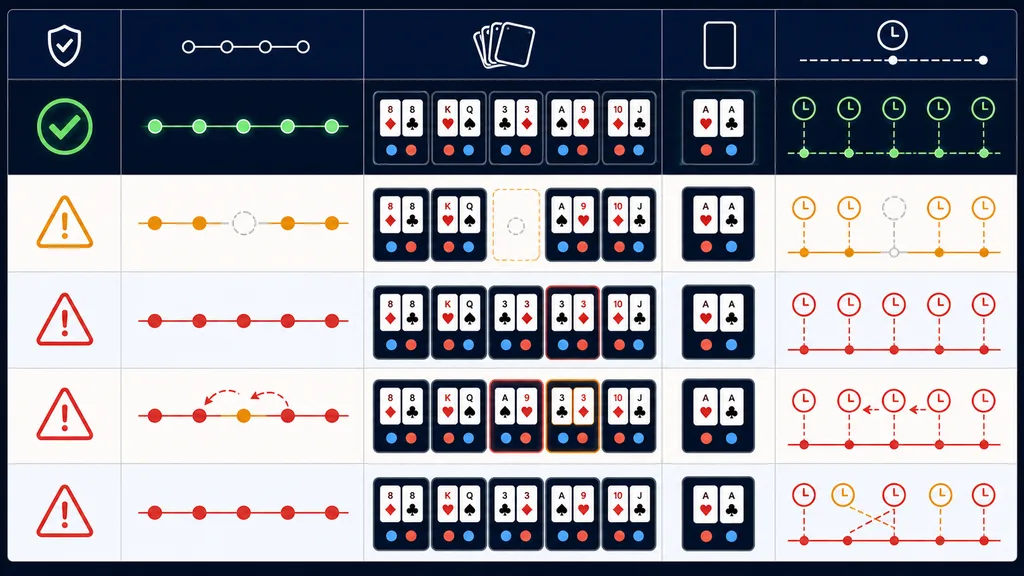
RNG 감사 보고서 분석 체크리스트와 위험 신호

실제 보고서를 옆에 두고 읽는 순서

  1. 발행 기관, 보고서 날짜, certificate reference를 확인합니다.
  2. 제품명, RNG 버전, 소프트웨어 번호, 플랫폼 버전을 찾습니다.
  3. 관할 기준과 기술 표준이 무엇인지 확인합니다.
  4. scope of testing에서 포함·제외 항목을 표시합니다.
  5. raw output, scaled output, shuffled output 테스트 여부를 구분합니다.
  6. source code review와 seed·algorithm 검토가 있었는지 봅니다.
  7. key files, checksum, digital signature가 있는지 확인합니다.
  8. limitations, conditions, intended use 문구를 읽습니다.
  9. 결과가 단순 pass인지, 조건부 pass인지 확인합니다.
  10. 운영 사이트의 현재 버전이 보고서 버전과 일치하는지 대조합니다.

감사 보고서가 말해 주지 않는 것

RNG audit report는 플레이어가 이길 가능성이 높다는 뜻이 아닙니다. 단기 결과를 예측할 수 있다는 뜻도 아니며, 카지노의 모든 운영 리스크를 제거하지도 않습니다. 인증된 RNG가 있어도 게임의 RTP와 하우스 엣지는 별도의 수학적 구조로 남아 있습니다. 보고서의 가치는 승리 약속이 아니라 특정 범위 안에서 공정성 검증 근거를 제공한다는 데 있습니다.

좋은 RNG 감사 보고서는 구체적이고, 최신이며, 범위가 명확하고, 서명 또는 디지털 지문으로 추적 가능하며, 통계 테스트와 구현 검토가 투명합니다. 반대로 모호한 “인증됨” 문구만 있고 버전·scope·제한 조건이 없다면 그 자체로 조작을 단정할 수는 없지만, 신뢰를 판단할 자료가 부족하다고 보아야 합니다. 결국 RNG Audit Report Analysis의 핵심은 “통과했는가”보다 “무엇이, 어떤 조건에서, 어떤 증거로 통과했는가”를 묻는 데 있습니다.

Behavioral Studies

Baccarat Decision Fatigue: Why Long Sessions Distort Betting Judgment

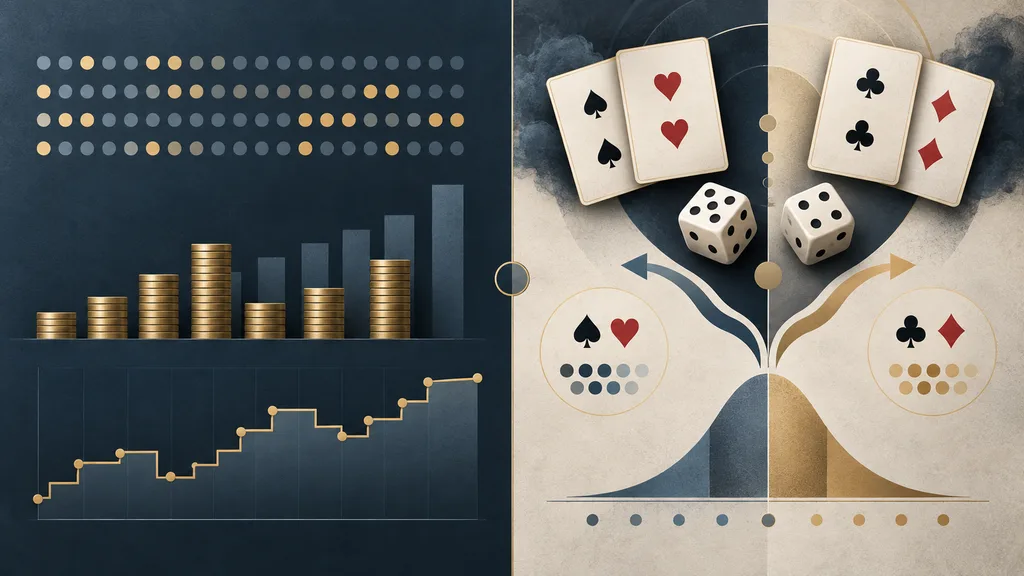
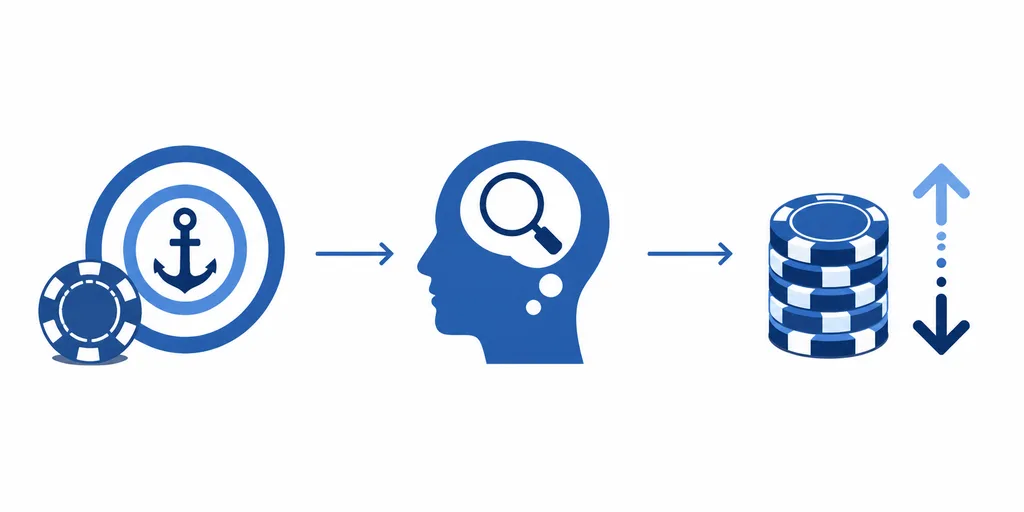
If baccarat has only three main bets, why do players still make worse decisions after an hour? The answer is not that the cards become harder to understand. Baccarat decision fatigue describes what can happen when repeated hands, fast feedback, losses, and scoreboard cues gradually push a player from planned choices into quicker, more emotional reactions.

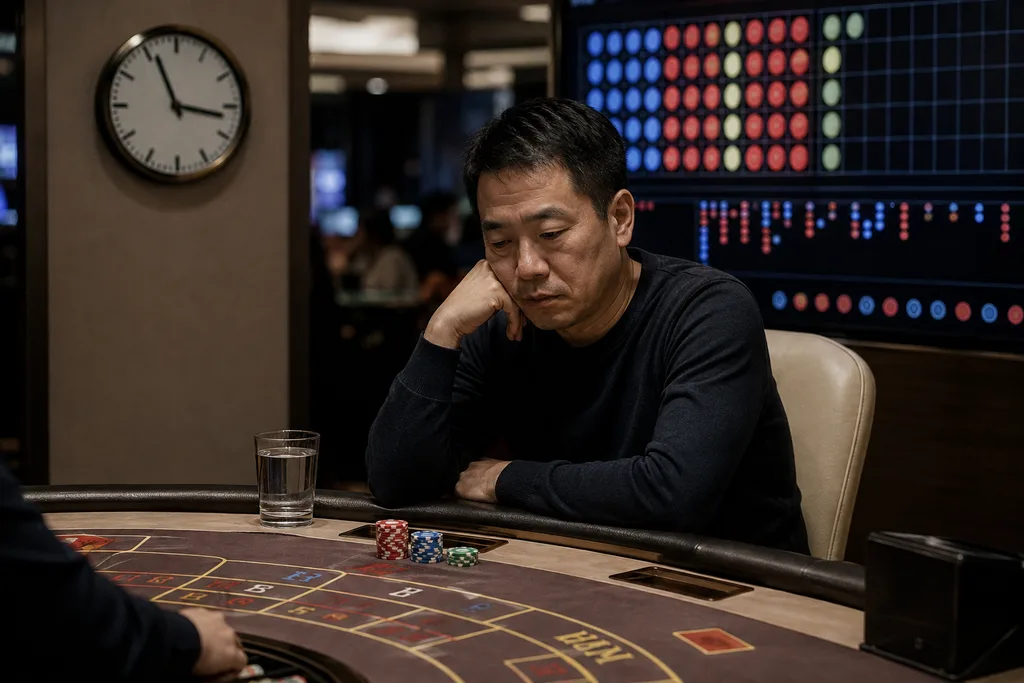
Baccarat decision fatigue during a long betting session

What is Baccarat decision fatigue?

Decision fatigue generally means a decline in decision efficiency or quality after repeated choices or sustained mental effort. In gambling contexts, it is best treated as a useful behavioral lens, not a settled biological law. Research on choice overload and self-control, including work associated with Kathleen Vohs and colleagues, suggests that repeated choosing can affect later self-control, but broader “ego depletion” claims have also faced replication debate.

For baccarat, the point is practical: fatigue does not prove that a player will lose after a specific number of minutes. It helps explain why a person who began with clear limits may later shorten pauses, ignore their plan, chase losses, or treat a random streak as meaningful.

Why simple baccarat choices become mentally expensive

Baccarat looks cognitively light because the main decisions are usually Banker, Player, or Tie. Yet the table creates many small pressures: repeated outcomes, near-immediate feedback, changing chip stacks, scoreboard history, other players’ reactions, and the temptation to make “just one more” decision. In live and online environments, the pace can reduce natural stopping points, especially when the next hand is available quickly.

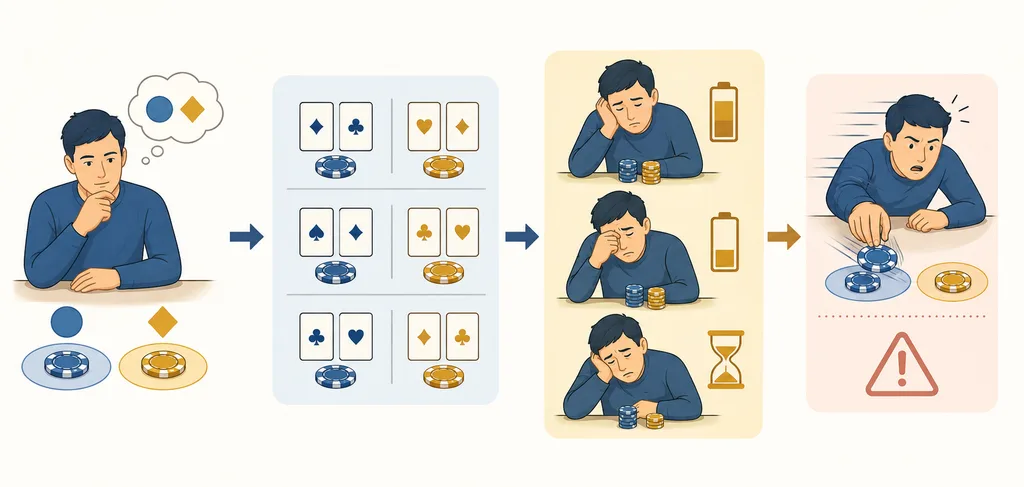
Repetition also turns analysis into autopilot. A player may begin by asking, “Does this bet fit my plan?” Later, the question becomes, “What feels due?” That shift matters. Autopilot is not always reckless in daily life, but at a baccarat table it can make emotional cues feel like evidence.

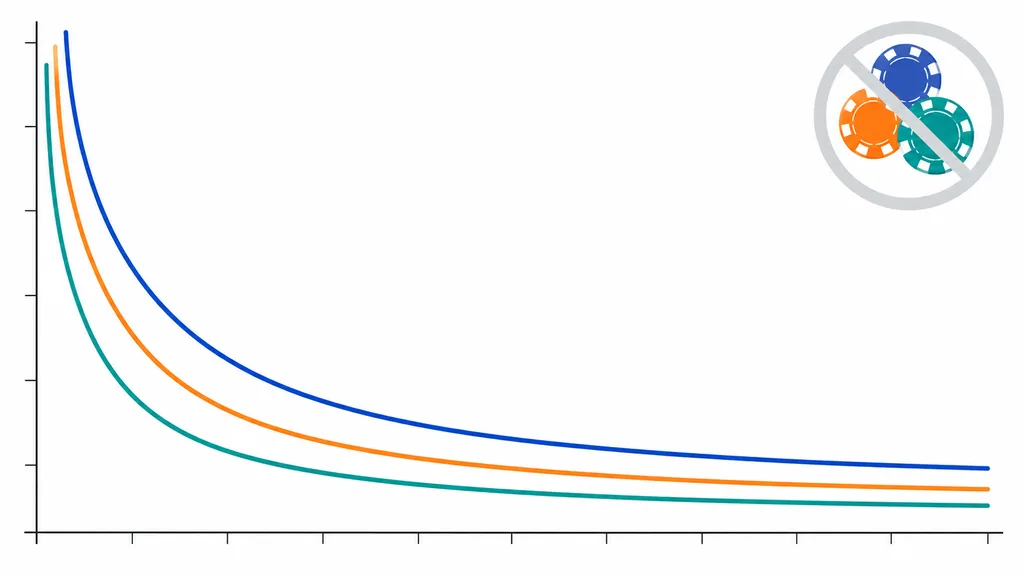
Decision fatigue loop in baccarat betting behavior

The math does not change when your brain gets tired

The game’s probabilities do not respond to fatigue, frustration, or confidence. According to the Wizard of Odds house edge table, standard baccarat house edge estimates are about 1.06% for Banker, 1.24% for Player, and 14.36% for Tie. Banker may be the lowest-house-edge basic bet, but it still has negative expectation. A low house edge is not permission to extend a session indefinitely.

The Tie bet is especially relevant to Baccarat decision fatigue. Its high payout can become more attractive when a player feels stuck, bored, or eager to recover quickly. That does not make it predictive. Under fatigue, the mind may overvalue dramatic recovery and undervalue probability. For a deeper mathematical background, see our guide to baccarat house edge.

Baccarat bet type vs fatigue risk

Bet typeMath realityFatigue-driven misconceptionSafer behavioral rule
BankerLowest common house edge, still negative expectation“Banker is safe for long sessions”Use only within pre-set time and loss limits
PlayerSlightly higher house edge than Banker“Player must balance the shoe now”Do not treat recent history as a correction signal
TieMuch higher house edge in standard rules“A big payout can fix the session”Avoid using it as an emotional recovery bet

Behavioral signs that judgment is slipping

Fatigue is easiest to miss because it often feels like confidence. Watch for changes in process, not just results. Warning signs include shorter pauses between hands, increasing stake size without a pre-written reason, irritation after ties or small losses, switching from rules to “gut feeling,” and reading the scoreboard as if it predicts the next result.

  • You place bets faster than you did at the start.
  • You change your unit size after a loss without a plan.
  • You say Banker, Player, or Tie is “due.”
  • You keep playing mainly to get even.
  • You ignore a session limit you set before starting.

Pattern seeking is a normal human tendency, but random sequences can produce streaks without meaning. If streak interpretation is a recurring issue, read more about the gambler’s fallacy in baccarat.

Decision fatigue, loss chasing, and emotional recovery

Losses can create urgency because they feel like unfinished business. Fatigue makes that urgency easier to justify: a larger bet may feel like discipline, and a Tie bet may feel like an efficient shortcut. In reality, “getting even” is an emotional checkpoint, not a decision checkpoint.

A planned session has limits before the first hand. A reactive session keeps rewriting limits after each emotional result. This is where loss aversion matters: the discomfort of a loss can outweigh the satisfaction of an equal win, pushing the player toward recovery behavior. Our overview of loss aversion explains why this pressure can feel rational in the moment.

What research on breaks suggests

Breaks should not be presented as a way to improve baccarat results. They do not reset odds, predict outcomes, or create an edge. However, research on gambling control suggests that interruptions can affect decision timing. A Current Psychology study on within-session breaks found that enforced breaks increased response latency during sustained losses, with an active response-inhibition intervention appearing stronger than a passive break.

Applied cautiously to baccarat, the lesson is simple: a break may help restore the pause between urge and action. That pause is valuable because fatigue often shows up as speed. An active break is better than staring at the table while waiting; stand up, leave the screen, drink water, or review your pre-set rules away from the hand history.

A practical anti-fatigue framework

Fatigue management is not a betting system. It is a way to protect decision quality and reduce impulsive play.

  • Pre-commit the session: decide session length, loss limit, and maximum unit size before playing. For structure, use a written bankroll management plan.
  • Use time checkpoints: pause every fixed interval, not only after big wins or losses.
  • Track rationale before stake size: if you cannot state why a bet fits your plan, skip the hand.
  • Stop on process signals: speed, urgency, anger, boredom, and pattern-seeking are stronger stop signals than the last outcome.
  • Separate entertainment from recovery: if the session no longer feels controlled or enjoyable, ending it is the responsible decision.

Common myths about Baccarat decision fatigue

“I can feel when Banker is due.” Feeling due is usually a story built from recent outcomes, not evidence that the next hand has changed.

“Low house edge means long sessions are safer.” Lower house edge reduces mathematical disadvantage compared with worse bets, but longer exposure still means more opportunities for cost and fatigue.

“Fatigue only affects beginners.” Experienced players may know the math better, but they can still become faster, more emotional, or overconfident late in a session.

“A break resets the game.” A break can reset your attention, not the probabilities.

Final takeaway

Baccarat decision fatigue is not about the cards becoming harder to read. It is about the player’s process becoming faster, more emotional, and less rule-based. Fatigue changes the player, not the game. If a session stops feeling controlled or entertaining, taking a break or ending play is a better decision than trying to recover losses.

Blog

Baccarat Player Behavior Analysis: Streaks, Biases, and Betting Patterns

A baccarat table often looks calm from a distance: cards are dealt, chips move, and the scorecard fills with red and blue marks. But beneath that simple rhythm is a rich decision-making environment. Baccarat Player Behavior Analysis asks a different question from ordinary strategy guides. It does not ask how to “beat” the game. It asks how players change their bet direction, bet size, and risk appetite after recent wins, losses, streaks, and visible patterns.

This is not a betting system. The value of behavioral analysis is that it separates what players tend to believe from what the game’s mathematics can actually support. In baccarat, outcomes remain uncertain, while human reactions to those outcomes can become surprisingly measurable.

바카라 스코어카드와 베팅 패턴 분석

What Baccarat Player Behavior Analysis Means

Baccarat player behavior analysis studies the choices players make around a mostly fixed game structure. The main variables are not card-playing skill or tactical moves during the hand. Instead, researchers observe decisions such as whether a player chooses Banker, Player, Tie, or side bets; whether the next wager becomes larger or smaller; whether recent streaks affect direction; and whether wins or losses increase session persistence.

That distinction matters. Casino folklore often treats the scorecard as if it contains a hidden message about the next coup. Behavioral research treats it as a stimulus: a visual record that may influence attention, confidence, and perceived pattern strength. The player’s reaction can be real even when the predictive value of the pattern is not.

In practical terms, analysis focuses on questions like these: Do players follow Banker streaks? Do they expect a Player result to be “due” after several Banker wins? Do they increase stake size after winning? Do they move toward longshot bets when they feel ahead? These are behavioral questions, not guarantees about future outcomes.

Why Baccarat Is Useful for Behavioral Research

Fixed rules make player choices easier to observe

Baccarat is a useful setting for gambling behavior research because the rules largely remove player skill from the card outcome. Once bets are placed, the drawing rules determine how the Banker and Player hands proceed. A player does not decide whether to hit, stand, bluff, or fold. That makes it easier to isolate the behavior before the deal: what was selected, how much was risked, and how that choice related to previous outcomes.

This structure does not make baccarat simple from a psychological point of view. In fact, the lack of control may increase the importance of perceived patterns. When players cannot influence the cards, they may focus more strongly on streaks, road maps, table mood, and recent emotional events.

Low house edge does not remove behavioral risk

The standard Banker and Player bets are often described as relatively low-house-edge wagers compared with many casino games. According to PlaySmart’s baccarat odds overview, Banker has a house edge of about 1.06%, Player about 1.24%, and Tie about 14.36%. The same source lists Banker wins at about 45.8%, Player wins at about 44.6%, and Ties at about 9.6%.

Those numbers are important, but they are often misunderstood. A low house edge does not mean a player has found a positive expectation. It only means the mathematical cost is lower than some other bets, assuming the player keeps stakes stable and avoids high-cost options. Behavioral risk enters when bet sizes escalate, when longshot bets become tempting, or when a player continues beyond planned limits.

Bet typeBehavioral appealRisk interpretation
BankerPerceived as the “stronger” defaultLow house edge, but not a guaranteed edge for the player
PlayerOften chosen as an alternative to Banker streaksSlightly higher house edge than Banker
TieHigh payout and longshot excitementMuch higher house edge and poor recovery tool
바카라 뱅커 플레이어 타이 하우스 엣지 비교

The Biggest Finding: Many Players Follow Trends

Positive recency instead of classic gambler’s fallacy

The classic gambler’s fallacy in baccarat would predict that after several Banker results, players should increasingly expect Player to be due. In other words, they would bet against the streak. But large-scale baccarat field data suggests that many players do the opposite.

A summary published by the Japanese Cognitive Psychology Society describes research by Muto and colleagues analyzing 6,625 customers and 17,970,830 baccarat games. The study found that many baccarat players showed positive recency or trend-following: when the same outcome appeared repeatedly, they became more likely to bet on that same outcome again. Longer streaks were associated with stronger tendency to follow the previous result.

This does not mean the streak had predictive power. It means the streak changed behavior. The player’s mind may read repeated outcomes as momentum, table personality, or a “hot” side. From a decision-science perspective, the key observation is that recent information becomes overweighted, even when the next hand is not reliably forecast by the visible road map.

Bet amounts can rise when players follow streaks

The same research line also reported that bet amounts tended to increase slightly when players followed trends. A related conference abstract estimated small average increases in bet size during trend-following situations, not dramatic all-in behavior. That difference matters. Behavioral effects can be statistically reliable without being extreme for every individual.

The safer interpretation is this: on average, many players in the analyzed sample became a little more confident when a streak looked meaningful. That confidence appeared not only in bet direction, but also in stake size. The danger is not that every player doubles every bet; it is that small increases, repeated over many coups, can quietly raise bankroll exposure.

Winning and Losing Streaks Change Risk Appetite

Sequential wins can encourage more reckless betting

Another important field-data study, Abe et al. (2021), analyzed 3,986 players and 7,935,566 baccarat games to examine how sequential wins and losses affected later betting. The study reported that bet amount increased with streak length, and that the effect was stronger after sequential winning than after sequential losing. After winning streaks, players were also more likely to make multiple bets and longshot-type wagers.

This pattern fits familiar behavioral concepts. A player who has just won several times may feel protected by “house money,” even though the chips are now part of the player’s own bankroll. Recent wins can create a sense of momentum, loosen risk controls, and make high-payout bets feel less costly. In baccarat, that may show up as a larger Banker or Player bet, an added Tie wager, or multiple simultaneous selections.

Losing streaks may reduce some risky bets but still distort decisions

The same research found that some longshot and multiple-bet behavior decreased after losing streaks. That does not make losing streaks safe. Losses can still produce emotional pressure, session extension, and recovery-oriented thinking. A player may avoid a Tie bet after losing, but still increase the next main bet in an attempt to get back to even.

This is where loss aversion in high-variance decisions becomes relevant. People often experience losses more sharply than equivalent gains. In a casino session, that can turn a neutral next hand into a personal recovery mission. Once a player frames the goal as “I only need one win to get back,” bet sizing can detach from the original bankroll plan.

최근 결과가 베팅 크기와 리스크로 이어지는 흐름도

Scorecards, Road Maps, and Pattern-Seeking

Baccarat scorecards and road maps are central to the live-table experience. They make past outcomes visible, organized, and emotionally salient. A sequence that might be forgotten in another game becomes a pattern on paper or screen. Big Road, Bead Plate, Big Eye Boy, Small Road, and Cockroach Pig displays can make randomness look structured.

That does not mean scorecards are useless. They can help players remember what has happened and observe their own reactions. The problem begins when a visual record is mistaken for a forecasting model. A road map shows the past; it does not guarantee that Banker, Player, or Tie is more likely on the next coup.

There is also a subtle difference between gambler’s fallacy and trend-following. The gambler’s fallacy says the opposite result is due after a streak. Trend-following says the same result is likely to continue. Both can arise from the same root problem: treating short random sequences as if they carry more predictive information than they do. For a deeper probability perspective, the idea of long-run probability convergence is more useful than trying to decode a short run of visible marks.

Common Behavioral Patterns Seen in Baccarat Players

Banker preference

Banker preference can be partly rational because the Banker bet usually has the lowest house edge. But actual behavior is rarely purely mathematical. A player may choose Banker because the table is cheering for it, because a Banker streak looks strong, or because previous personal wins make Banker feel lucky. The same choice can have different psychological causes.

Tie and longshot attraction

The Tie bet attracts attention because of its payout, not because of its efficiency. Its high house edge makes it expensive over time, yet it becomes tempting when players feel ahead, bored, or eager for a session-changing result. This connects directly with the finding that longshot-type behavior may increase after sequential wins.

Bet escalation after salient outcomes

Large wins, dramatic losses, near-misses, and table-wide reactions can all make the next decision feel more meaningful. A player who planned to keep flat stakes may suddenly increase the wager after a visible streak or emotional result. That is why bankroll management in baccarat should be decided before the session, not negotiated hand by hand under pressure.

Social contagion at the table

Baccarat is often social. Other players’ chip placement, hesitation, celebration, and frustration can influence perceived confidence. A crowded table may create the feeling that “everyone sees the pattern.” Without careful data, this should be described as a plausible behavioral influence rather than a quantified law. Still, it is an important reminder that decisions are shaped by environment, not only by individual calculation.

What Behavioral Analysis Does Not Prove

First, baccarat behavior analysis does not create a winning system. Observing that many players follow streaks does not mean streak-following is profitable. Observing that players increase bets after wins does not mean increased bets are mathematically justified. The house edge remains part of the game structure.

Second, group-level research does not diagnose individual players. A data set can show that many players in a sample behaved in a certain way on average. It cannot prove that one specific person has a gambling disorder, lacks discipline, or holds a particular belief. Responsible analysis avoids labels and focuses on observable choices.

Third, scorecards do not become predictive just because they change behavior. A player may sincerely believe that the road map reveals a strong table trend. The behavioral effect is real, but the predictive conclusion may still be unsupported.

Practical Takeaways for Safer Decision-Making

The most useful takeaway is to separate observation from prediction. “I notice five Banker results” is an observation. “Banker must continue” is a prediction. “Player is due” is also a prediction. The scorecard can support the first statement, but not necessarily the second or third.

Another practical rule is to keep bet size independent from recent emotion. If the next wager automatically grows after a win, after a loss, or after a streak becomes visually striking, the session is being controlled by recency. Flat betting does not remove the house edge, but it reduces the speed at which emotional decisions can amplify losses.

Longshots should be treated as entertainment costs, not recovery tools. A Tie bet may be exciting, but its high cost makes it a poor way to repair a losing session. If a player chooses it anyway, the amount should be small enough that losing it does not trigger another recovery bet.

Finally, use pre-commitment limits. Set a money limit, time limit, and stop rule before play begins. If gambling no longer feels controlled or recreational, or if chasing losses becomes a repeated pattern, the safest step is to pause and seek support from local problem gambling services.

Baccarat Behavior Is Predictable; Outcomes Are Not

Baccarat player behavior analysis reveals a useful paradox. The next hand remains uncertain, but player reactions are often patterned. Many players in large casino data sets appear to follow streaks rather than bet against them. Bet amounts can rise when trends feel meaningful. Winning streaks may increase risk appetite and longshot attraction. Losing streaks may create a different kind of pressure through recovery thinking.

None of this turns baccarat into a beatable pattern game. The real value is risk awareness. Once players understand how streaks, scorecards, recent wins, and losses can influence decisions, they are better equipped to slow down, question confidence, and protect their bankroll. In baccarat, outcomes remain uncertain; behavior is what becomes analyzable.

Quantitative Research

Baccarat Card Counting Myths

Research Note Vol. 26-Q4 · Quantitative Research

Card counting carries an almost mythic reputation among casino players, and few myths are more persistent or more misapplied than the belief that it can conquer baccarat.

The image of the disciplined counter beating the house has entered popular culture, drawn largely from blackjack, where counting has a genuine if narrow basis. Transplanted to baccarat, the same idea collapses under its own mathematics. Examining why reveals a great deal about how probability actually governs the game, and why so many gambling systems promise an edge they cannot deliver. Counting Myths

What card counting is supposed to do

Card counting is a method of tracking which cards have been dealt in order to judge whether the remaining deck favours the player. In blackjack it works because the composition of the deck genuinely shifts the player’s expected return. When many high cards remain, the player’s odds improve, and a counter can raise bets accordingly. The technique exploits a real, if small, dependence between past and future hands. The unspoken assumption is that the same dependence exists in any card game. In baccarat it barely does, and the difference is decisive.

Why baccarat resists counting

In baccarat the player makes no decisions that interact with the deck composition. The drawing rules are fixed and automatic, and the banker and player bets pay the same regardless of which cards remain. The most a counter can hope to detect is a tiny shift in the relative probability of banker, player or tie as the shoe depletes. Rigorous analysis has shown these shifts are far too small and far too rare to overcome the house edge, and the cost of waiting for them exceeds any advantage they could provide.

The tie and side bet exception

The one place where deck composition moves measurably is on certain side bets and the tie, where specific card densities matter more. Even here the effect is marginal and the favourable situations arise so seldom that no practical betting plan can profit from them. The theoretical edge that appears in these narrow cases is a curiosity, not a strategy, and pursuing it on a live table is a losing proposition.

The game-theory perspective

Viewed through formal game theory, baccarat offers the player no strategic decision that influences the outcome, which places it among games of pure chance from the player’s standpoint. The discipline that studies optimal decision-making under uncertainty is set out in the Stanford Encyclopedia of Philosophy entry on game theory, and its framework makes clear why a game with no meaningful player decision leaves no room for a counting advantage.

The law that guarantees the edge

Behind every failed system stands a single principle. The law of large numbers states that as the number of trials grows, the average result converges to the expected value. The EBSCO research starter on the law of large numbers explains how this convergence operates, and its consequence for gambling is absolute. Over a long enough sequence of baccarat coups, the player’s results will approach the house edge regardless of any counting, tracking or progression applied along the way.

Why the myth survives

The myth endures because short-run variance produces winners. A counter who happens to win a session attributes the result to skill, and a vivid anecdote travels further than a statistical truth. The casino is content to let the belief persist, because a player convinced they have an edge tends to play longer and wager more, which is exactly what the house edge requires to express itself.

The honest quantitative verdict

The disciplined conclusion is that baccarat cannot be beaten by card counting, and no published analysis has demonstrated otherwise under realistic conditions. This sits within the broader case our quantitative work makes repeatedly, that the fixed mathematics of the game resists every system, a theme our study of research methodology sets out in its approach to evaluating such claims. The value of understanding this is not a winning strategy but freedom from the expensive pursuit of one.
Key takeawayCard counting works marginally in blackjack because player decisions interact with deck composition, but baccarat offers no such decision, so counting cannot overcome its house edge. The tiny favourable situations that exist on the tie and some side bets arise too rarely to exploit. The law of large numbers guarantees that results converge on the house edge, and the counting myth survives only because short-run variance occasionally rewards belief.

Sources consulted: Stanford Encyclopedia of Philosophy, game theory; EBSCO research starter, law of large numbers. Published for educational analysis of probability and betting systems in casino games.

Market Analysis

Casino Comps and VIP Programs

Research Note Vol. 26-M3 · Market Analysis

Casino comps and VIP programmes are not gifts, they are a precisely calculated marketing expense, and understanding the arithmetic behind them changes how a baccarat player should read every loyalty offer.

From a free buffet to a suite and private jet, the rewards a casino extends to its players can look like generosity. They are in fact a return of a small, carefully measured fraction of the revenue a player is expected to generate. For the baccarat player, who often wagers at high stakes, the comp system is both an opportunity and a subtle pressure, and reading it clearly is a matter of market literacy.

The logic of the comp

A comp, short for complimentary, is a reward the casino gives based on a player’s theoretical loss. The casino estimates how much it expects to win from a player by combining the average bet, the speed of play, the hours played and the house edge of the chosen game. A small percentage of that expected win is returned as comps. The crucial word is theoretical. The reward tracks expected loss, not actual loss, so a player who happens to win still earns comps based on the volume of action generated. This is why baccarat players attract significant comp attention. High average bets produce a large theoretical win even at the game’s low house edge, and the casino is content to return a slice of that figure to retain a valuable customer.

The mathematics of theoretical loss

The formula is straightforward. Theoretical loss equals the average bet multiplied by the number of bets per hour, the hours played and the house edge. A player betting steadily on banker generates a theoretical figure the casino calculates in real time. The historical development of these analytical methods is preserved in specialist collections, and the University of Nevada Las Vegas gaming research collection holds extensive material on how the industry formalised player valuation and comp policy.

Tiers and the VIP ladder

Loyalty programmes formalise the comp into tiers. As recorded play accumulates, a player climbs levels that unlock escalating rewards, from cashback on losses to dedicated hosts and bespoke travel. Each tier is calibrated so the cost of the rewards remains a fraction of the revenue the tier is expected to produce. The ladder is engineered to encourage more play, because every step upward is funded by the increased action it inspires.

The high-value customer question

The largest players, often baccarat patrons, occupy a category that regulators now scrutinise closely. Generous rewards can encourage play beyond a person’s means, and supervisory bodies have published expectations for how operators handle their most valuable customers. The Gambling Commission guidance on high value customers sets out the affordability and responsible conduct checks that should accompany any high-tier programme.

Reading a comp offer clearly

The disciplined view treats comps as a partial rebate on an expected cost rather than as free value, because the rebate is always smaller than the edge that generates it. A player who increases stakes or extends play in order to earn a larger comp has misread the arithmetic, since the additional expected loss exceeds the value of the reward. The honest use of a comp is to accept it on play a person would have made anyway. VIP Programs

Online bonuses follow the same logic

The online deposit bonus is the digital cousin of the comp. Wagering requirements attached to a bonus ensure the player must put a multiple of the amount through games, often slots, before withdrawing, which restores the casino’s margin. The headline figure is generous, the conditions recover it, and the structure mirrors the theoretical-loss logic of the physical comp.

Comps in the wider market

The comp system is a window into how the gambling industry values and retains customers, and it sits alongside the broader structural forces our market analysis category examines. For the baccarat player the practical lesson is constant. A comp is real value, but it is a return of a fraction of expected loss, never a reason to wager more than planned.
Key takeawayCasino comps and VIP tiers return a small fraction of a player’s theoretical loss, calculated from average bet, pace, time and house edge. They reward volume of action, not outcomes, which is why high-stakes baccarat players attract them. The sound approach is to accept comps on play you would make anyway and never to increase stakes to chase a reward, because the added expected loss always exceeds the comp.

Sources consulted: University of Nevada Las Vegas gaming research collection; Gambling Commission, high value customers industry guidance. Published for educational analysis of loyalty economics in the gambling market.

Algorithmic Audits

Shuffle Integrity in Baccarat

Research Note Vol. 26-A3 · Algorithmic Audits

The shuffle is the moment a baccarat game is either made fair or quietly compromised, and verifying its integrity is one of the most technical challenges in the entire field of game auditing.

Whether the cards are physical or simulated in software, the shuffle is the source of randomness on which the whole game depends. A perfect house edge means nothing if the order of the cards can be predicted or biased. Shuffle integrity, the assurance that every arrangement of the shoe is equally likely and unpredictable, is therefore a central concern for any serious audit of a baccarat or other casino card game.

What a shuffle must achieve

A correct shuffle produces a uniform distribution over all possible orderings of the deck. With a single 52-card deck the number of arrangements is astronomically large, and a fair shuffle must make each of them equally probable while leaving none of them predictable to an observer. In digital baccarat this is the responsibility of the shuffling algorithm, and in live dealer games it is the responsibility of physical procedure and automatic shuffling machines. Two distinct failures can occur. A shuffle can be non-uniform, favouring certain orderings, or it can be predictable, allowing an informed party to anticipate the sequence. Both undermine fairness, and an audit must test for each.  Shuffle Integrity

Auditing the digital shuffle

The digital shuffle reduces to the quality of the underlying random number generator and the correctness of the algorithm that applies it. The standard method for shuffling a list with a computer is well established, but it must be implemented exactly, since subtle errors in the algorithm produce measurable bias even when the random source is sound.

The seeding problem

A digital shuffle is only as unpredictable as the seed that initialises its generator. If the seed is drawn from a weak or guessable source, the entire sequence becomes reconstructable regardless of how good the algorithm is. The handling of entropy sources and deterministic generators is an active standards concern, and the NIST work on random number generation using deterministic random bit generators illustrates how seriously the underlying entropy question is treated in formal cryptographic guidance.

Statistical verification

An auditor cannot inspect every possible ordering, so verification proceeds statistically. Analysts collect a very large sample of shuffled outcomes and test whether each card position is occupied by each card with the expected frequency, and whether successive positions are independent. Independent randomness services publish analyses of how real generators behave under such testing, and the RANDOM.ORG analysis of randomness demonstrates the kind of statistical scrutiny a trustworthy source can withstand.

Auditing the physical shuffle

Live dealer baccarat reintroduces the physical world. Automatic shuffling machines are common, and they too require certification, because a mechanical bias or a predictable cycle can compromise a physical shoe just as a software flaw compromises a digital one. Procedural controls, such as cutting the deck and rotating shoes, add further layers, and auditors review these procedures alongside the machines that perform them.

The card-counting connection

Shuffle integrity intersects with the question of whether a game can be exploited. In baccarat the scope for advantage from tracking cards is famously small, but the more relevant point is that a properly verified shuffle removes any predictability an observer might otherwise hope to use. A sound shuffle protects both the casino and the honest player.

Why integrity testing never stops

A shuffle that passed audit last year can fail this year after a software update or a hardware change, which is why integrity testing is continuous rather than final. This logic mirrors the renewal model that governs all algorithmic certification, and it builds directly on the entropy questions examined in our study of seed entropy and the integrity of random number generation. The shuffle is not a one-time guarantee but a property that must be defended for as long as the game is offered.
Key takeawayShuffle integrity requires that every ordering of the cards be equally likely and unpredictable, in both digital and physical baccarat. Digital shuffles depend on a correct algorithm and a strong seed, while physical shuffles depend on certified machines and sound procedure. Verification is statistical and continuous, because a single update can reintroduce bias. A sound shuffle protects the fairness of the game for everyone at the table.

Sources consulted: NIST, random number generation using deterministic random bit generators; RANDOM.ORG, analysis of randomness. Published for educational analysis of randomness verification in casino card games.

Behavioral Studies

Bankroll Management in Baccarat

Research Note Vol. 26-B3 · Behavioral Studies

Bankroll management is the part of baccarat that no pay table can undermine, because it is the one element of the game a player controls completely.

The house edge in baccarat is fixed and cannot be beaten over the long run. What a player can govern is how much money is exposed to that edge, how it is divided across a session, and when play stops. These choices do not change the odds, but they determine whether gambling stays within the bounds of affordable entertainment or drifts into harm. Bankroll management is, in the end, a discipline of behaviour rather than a system for winning. Management in Baccarat

Defining a bankroll

A bankroll is the sum of money a player has set aside specifically for gambling and is genuinely prepared to lose. The defining feature is separation. A gambling bankroll is not money earmarked for rent, food or obligations, and it is not a figure that grows when a player is losing. It is a fixed, pre-committed amount that exists apart from the rest of personal finances, and the discipline begins with drawing that line honestly before any baccarat hand is dealt.

Sizing bets against the bankroll

Once the bankroll is fixed, the next decision is how large each bet should be relative to it. A common conservative guideline keeps any single wager to a small fraction of the total, so that a normal losing streak cannot end a session prematurely. Because baccarat coups are independent and streaks are entirely possible, a player betting a large share of the bankroll on each hand can be eliminated by an ordinary run of bad luck long before the long-run edge has any chance to express itself.

Why progression systems do not help

Staking systems that raise the bet after each loss, such as the Martingale, are often sold as bankroll strategies. They are the opposite. By escalating exposure during exactly the losing streaks that bankroll management is designed to survive, they convert a manageable run into a catastrophic one. No progression alters the expected value of a baccarat bet, and the wider the stakes swing, the faster a bankroll can be lost.

Time and loss limits

Sound management sets limits before play begins, not during it. A loss limit defines the point at which a session ends regardless of feeling, and a time limit guards against the way extended play erodes judgement. Setting these boundaries in advance removes the decision from the heated moment when it is hardest to make well, which is the entire purpose of a pre-commitment.

The behavioural traps

The largest threats to a bankroll are psychological. Chasing losses, the urge to recover a deficit by betting more, turns a bad session into a far worse one. The reverse trap, letting winnings ride without ever banking them, returns gains to the table until they are gone. Both stem from treating the bankroll as a moving target rather than a fixed commitment, and both are amplified by the comp offers and bonus incentives that encourage longer play.

Responsible play and where to find support

Bankroll management overlaps with the broader principle of responsible gambling. National bodies publish practical guidance on keeping play within healthy limits, and the National Council on Problem Gambling responsible gambling resources describe the tools, such as limit-setting and self-assessment, that help a player stay in control. These behavioural safeguards connect directly to the cognitive research gathered in our behavioral studies category, which examines why disciplined intentions are so easily overridden in the moment.

If gambling stops feeling like a choice

Bankroll discipline assumes a player is gambling freely and for enjoyment. When that stops being true, when play continues despite harm or feels difficult to stop, the issue is no longer one of strategy. Confidential support is available, and the GamCare safer gambling guidance offers free advice and a route to talk with someone. Reaching out early is a sign of strength, and support exists precisely so that no one has to navigate that moment alone.
Key takeawayBankroll management cannot beat the baccarat house edge, but it controls exposure to it. Set aside only money you can lose, keep each bet small relative to the total, fix loss and time limits before playing, and avoid progression systems that escalate during losing streaks. If gambling stops feeling like free entertainment, confidential support is available and worth using.

Sources consulted: National Council on Problem Gambling, responsible gambling resources; GamCare, safer gambling guidance. Published for educational analysis of risk management and player wellbeing in gambling.

Quantitative Research

Why Baccarat Side Bets Cost More

Research Note Vol. 26-Q3 · Quantitative Research

Baccarat side bets promise large payouts for small stakes, and that promise is precisely what makes them the most expensive wagers on the table.

The core baccarat layout is famously lean, with the banker and player bets among the lowest-edge wagers in any casino. Side bets exist to break that discipline. Marketed with eye-catching payouts such as 40 to 1 or higher, they invite players to chase a jackpot feeling within an otherwise sober game. A close look at the expected value of these wagers shows why they should be approached with caution.

What a side bet is

A side bet is an optional wager resolved alongside the main coup but governed by its own pay table. Common examples include the Dragon Bonus, the Panda 8, Perfect Pairs and Either Pair. Each pays out on a specific configuration, such as a particular winning margin or a pair appearing in the opening cards. The structure of the game itself is documented in the standard reference, and the overview of baccarat and its common side wagers sets out how these optional bets attach to the base game. Baccarat Side Bets

Expectation and the cost of a wager

To compare any two bets honestly, the right tool is expected value, the average result of a wager weighted by the probability of each outcome. The mathematical foundation is standard, and the Wolfram MathWorld definition of expectation value gives the formula that underlies every house edge calculation in gambling.

Working through a side bet

Consider a pair side bet that pays 11 to 1 when the first two cards of a chosen hand form a pair. Using an eight-deck shoe, the probability of that pair is a fixed quantity derived from the composition of the deck. Multiply the payout by the probability of winning, subtract the probability of losing, and the result is a negative expectation substantially larger than the 1.06 percent of the banker bet. Many baccarat side bets carry house edges between 5 and 15 percent, placing them in the same territory as a typical slot machine rather than the main baccarat layout.

Why the payout is the lure

The large headline multiplier does the persuading. A bet that pays 40 to 1 feels generous, but the probability of triggering it is small enough that the casino retains a wide margin. The mismatch between the vivid payout and the dim probability is the entire business model of the side bet, and it mirrors the design of jackpot features on slots and the long-shot wagers on a roulette table.

Variance versus edge

Side bets do more than raise the edge. They sharply increase variance, the swing between wins and losses. A player making only banker bets experiences a slow, smooth erosion of the bankroll. The same player adding side bets experiences larger swings in both directions, which can feel exciting but accelerates the rate at which a bankroll is exhausted during a losing run. Higher variance combined with a higher edge is the least efficient combination in gambling.

The narrow case for a side bet

There is an honest argument for the occasional side bet. If a player values the entertainment of a possible large payout and budgets for it as a cost, a small occasional stake is a defensible choice. The error is treating the side bet as a serious route to profit. Framed as paid excitement it is reasonable, framed as strategy it is a mistake.

Placing side bets in context

The disciplined player treats the banker and player bets as the substance of baccarat and any side bet as a clearly priced indulgence. This is consistent with the wider quantitative case that no betting feature, comp or progression alters the fixed mathematics of the game, a theme developed across our quantitative research category. Knowing the expected value of a wager before placing it is the closest thing to a universal rule the casino floor offers.
Key takeawayBaccarat side bets carry house edges far above the main banker and player wagers, often between 5 and 15 percent, and they raise variance at the same time. The large advertised payouts conceal small winning probabilities. Treated as occasional paid entertainment they are defensible, but as a strategy for profit they are among the weakest bets on the table.

Sources consulted: baccarat overview and side wager structure; Wolfram MathWorld, expectation value. Published for educational analysis of wager efficiency in casino games.

Market Analysis

The Rise of Live Dealer Casinos

Research Note Vol. 26-M2 · Market Analysis

Live dealer casinos have grown from a novelty into the fastest expanding segment of online gambling, and baccarat sits at the very centre of that growth.

A decade ago the online casino was a silent, software-driven space. Today a large share of real-money play takes place in front of a streamed human croupier dealing physical cards from a studio. This shift, known as the live dealer format, has reshaped the economics of the industry and given baccarat a prominence online that it long held only in high-limit physical rooms. Live Dealer

What the live dealer format is

A live dealer game streams a real table from a studio or licensed venue to the player’s screen. Cameras capture an actual croupier shuffling and dealing, while software overlays the betting interface and settles wagers automatically. The cards are real, the shuffle is physical, and the outcome is determined at the table rather than by a random number generator. For many players this restores a layer of trust that purely digital tables struggle to provide. Baccarat adapts to this format better than almost any other game. Its rules are fixed, its pace is brisk, and its outcomes require no decisions from the player beyond the choice of banker, player or tie. A single dealer can serve a large audience betting simultaneously on the same coup, which makes the format efficient for operators and immersive for the gambler.

The scale of the market

The online casino sector has expanded rapidly, and aggregated industry figures place global online casino revenue in the tens of billions of dollars annually with sustained year-on-year growth. The market data compiled in the Statista worldwide online casino market outlook tracks this trajectory and the rising share that live dealer products command within it.

Why baccarat leads in Asia

The regional pattern is striking. In several Asian markets baccarat is not merely popular, it dominates casino revenue, and that preference has carried directly into the live dealer studios that serve those audiences. Operators have responded by building dedicated baccarat studios, offering localized presentation, multiple camera angles and the squeeze rituals that high-stakes players value. The game’s cultural weight has made it the anchor product of the live format.

Technology behind the stream

The format depends on low-latency video, optical card recognition that reads each dealt card instantly, and betting systems that can settle thousands of simultaneous wagers. Optical recognition is the quiet innovation, converting a physical card into a data event the platform can process, which is what allows a single live baccarat table to scale to a mass audience.

Trust, regulation and conduct

The visible human dealer addresses one of the oldest anxieties in online gambling, the suspicion that unseen software is rigged. Yet the format still operates under the same regulatory and conduct expectations as the rest of the industry. In the United States the trade body publishes a conduct framework that members commit to, and the American Gaming Association member code of conduct sets out responsible advertising, fair play and patron protection principles that apply to live and digital products alike.

The economics for operators

Live studios are expensive to run, demanding staff, real estate and continuous streaming infrastructure. Operators recover those costs through volume and through the higher engagement the format produces. A player who trusts the deal tends to stay longer and wager more, which is why the segment continues to attract heavy investment despite its overhead.

Where the segment is heading

Growth shows little sign of slowing, with operators experimenting with game-show hybrids, mobile-first studios and regional language tables. Baccarat remains the dependable core around which these experiments are built. The regulatory environment that governs this expansion varies sharply by jurisdiction, a complexity our analysis of the regulatory topology of global iGaming maps in detail across the major licensing hubs.
Key takeawayLive dealer baccarat has become the anchor of the fastest growing segment in online gambling, combining the trust of a physical deal with the reach of streaming technology. Its dominance is strongest in Asian markets, where baccarat already leads casino revenue. The format restores visible fairness but leaves the underlying house edge and regulatory obligations unchanged.

Sources consulted: Statista, worldwide online casino market outlook; American Gaming Association, member code of conduct. Published for educational analysis of structural trends in the online gambling market.

Scroll to Top